Keep Rats Out of the Kitchen and Pantry


Keep Rats Out of the Kitchen and Pantry
Rats are more than just unpleasant visitors – they can spread disease, contaminate food, and cause serious damage to your home’s wiring, insulation, and structure. Once they’ve made their way inside, they can be difficult to remove. That’s why effective rodent control starts with prevention. Here’s a practical guide to keeping rats out of your kitchen and pantry – and what to do if you notice signs of unwanted guests.
Why Rats Come Indoors
Rats move inside when they’re looking for food, warmth, and shelter. They’re especially active in fall and winter, when cold weather drives them out of sewers, garages, and sheds. Kitchens and pantries are prime targets because they offer easy access to food and water, as well as cozy hiding spots behind appliances and cabinets.
Even tiny openings can be enough for a rat to squeeze through. A rat can fit through a hole the size of a quarter and can chew through plastic, wood, and even soft metals. That’s why prevention means sealing up entry points, keeping things clean, and staying alert.
Læs også:



Inspect Plumbing and Drains
Many rat infestations start in the plumbing system. Cracked pipes, loose fittings, or old drain lines can give rats a path from the sewer into your home.
- Have your plumbing inspected – especially if your home is older. A camera inspection can reveal hidden damage.
- Install a backflow or rodent prevention valve in your main sewer line to stop rats from traveling up from the public system.
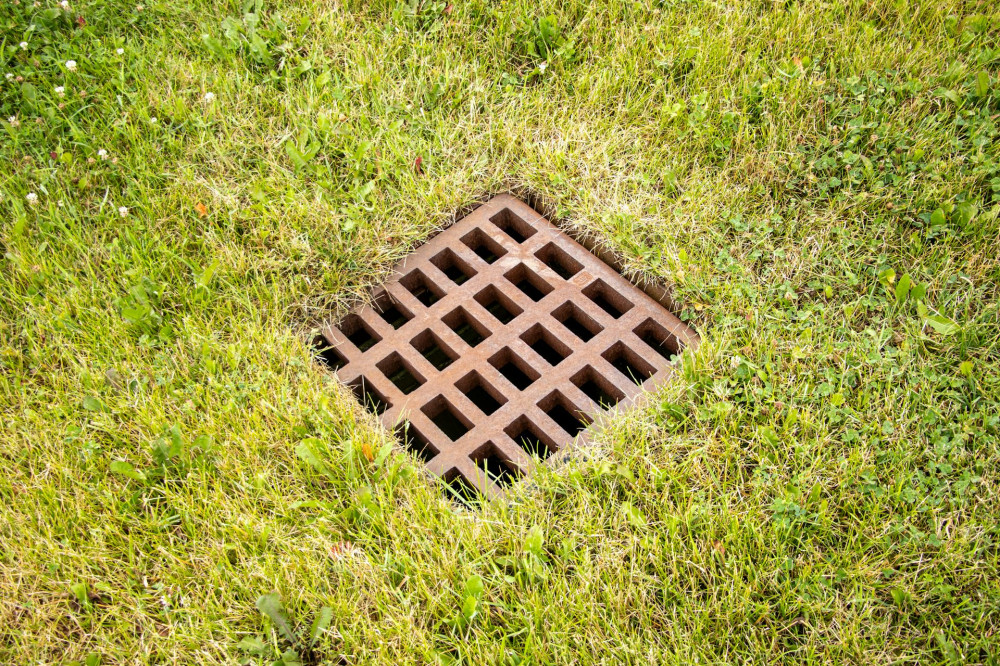
- Keep floor drains in good condition – make sure traps contain water to block odors and pests.
A well-maintained plumbing system is your best defense against rats coming from below.
Seal Every Entry Point
Rats are experts at finding ways inside. Walk around your home and check carefully around pipes, vents, and utility lines.
- Seal pipe openings with steel mesh or cement.
- Cover vents with metal screens – openings should be no larger than ¼ inch.
- Check doors and windows – especially those leading to the backyard or garage. Add door sweeps or metal kick plates to block gaps.
- Keep the area around your home tidy – remove clutter, firewood, and debris that could provide hiding spots near walls or foundations.
The fewer opportunities rats have to enter, the less likely they are to try.
Eliminate Food and Water Sources
Rats are opportunistic eaters. Even small crumbs or a dripping faucet can attract them.
- Store food in airtight containers – including pet food, grains, and snacks.
- Empty trash cans regularly and make sure lids fit tightly.
- Clean floors and corners often, especially under appliances where crumbs collect.
- Fix leaky pipes and faucets to remove water sources.
A clean, dry kitchen and pantry are among the most effective deterrents against rats.
Watch for Warning Signs
Even with good prevention, rats can sometimes find a way in. The sooner you spot them, the easier it is to get rid of them.
Common signs of rats include:
- Scratching or scurrying sounds behind walls or under floors.
- Small, dark droppings about ½ inch long.
- Greasy rub marks along walls or pipes.
- Gnaw marks on packaging, wires, or wood.
- A strong, musky odor.
If you notice any of these signs, contact a licensed pest control professional right away. They can identify the source of the problem and remove the rats safely.
When Infestation Has Occurred
Once rats have established themselves, professional help is essential. Avoid using poisons or traps on your own – improper use can be dangerous to children, pets, and wildlife.
A certified pest control expert can determine how the rats are getting in, remove them effectively, and advise you on how to prevent future infestations.
Prevention Pays Off
Rats are clever and persistent, but they can be kept out with a combination of maintenance, cleanliness, and vigilance. A sealed plumbing system, a tidy home, and closed entry points are your best protection.
By taking prevention seriously, you’ll protect your kitchen and pantry – and avoid costly repairs and unpleasant surprises.
Læs også: