From Wastewater to Clean Water – How It’s Treated Before Being Released into Nature

From Wastewater to Clean Water – How It’s Treated Before Being Released into Nature
When you flush the toilet, take a shower, or run the dishwasher, the water disappears down the drain. But its journey is far from over. Before it can safely return to rivers, lakes, or the ocean, it must go through a complex treatment process that removes dirt, bacteria, and chemicals. In the United States, wastewater treatment is a vital part of protecting public health and the environment. Here’s a look at how that process works and how the water is cleaned before it’s released back into nature.
From the Drain to the Treatment Plant
All wastewater from homes, businesses, and storm drains travels through an underground network of pipes to a wastewater treatment plant. Along the way, pump stations help move the water, especially in areas where the land is flat or below sea level.
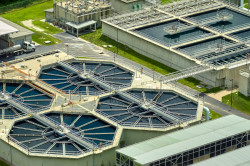
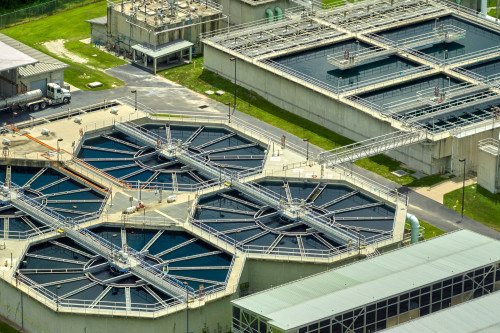
Once it arrives at the treatment plant, the water goes through several stages of cleaning—typically mechanical, biological, and chemical treatment. Each stage targets different types of pollutants to ensure the water that leaves the plant is safe for the environment.
Mechanical Treatment – Removing the Big Stuff
The first step is to remove large debris that could clog or damage equipment. Screens and filters catch items like wipes, plastic pieces, and other trash that should never have been flushed. Sand and gravel are also separated out in grit chambers.
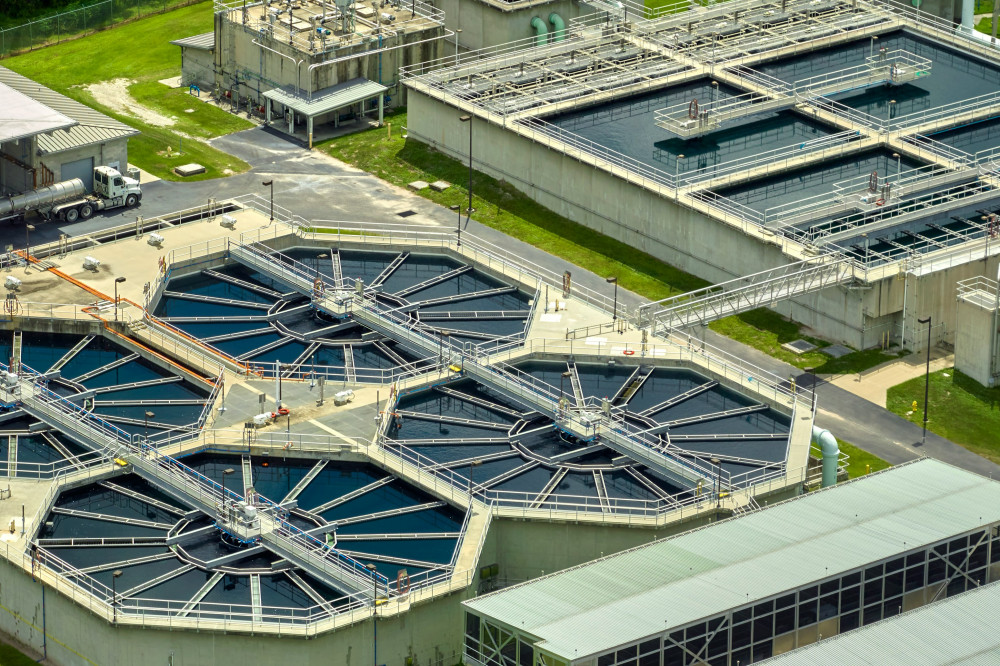
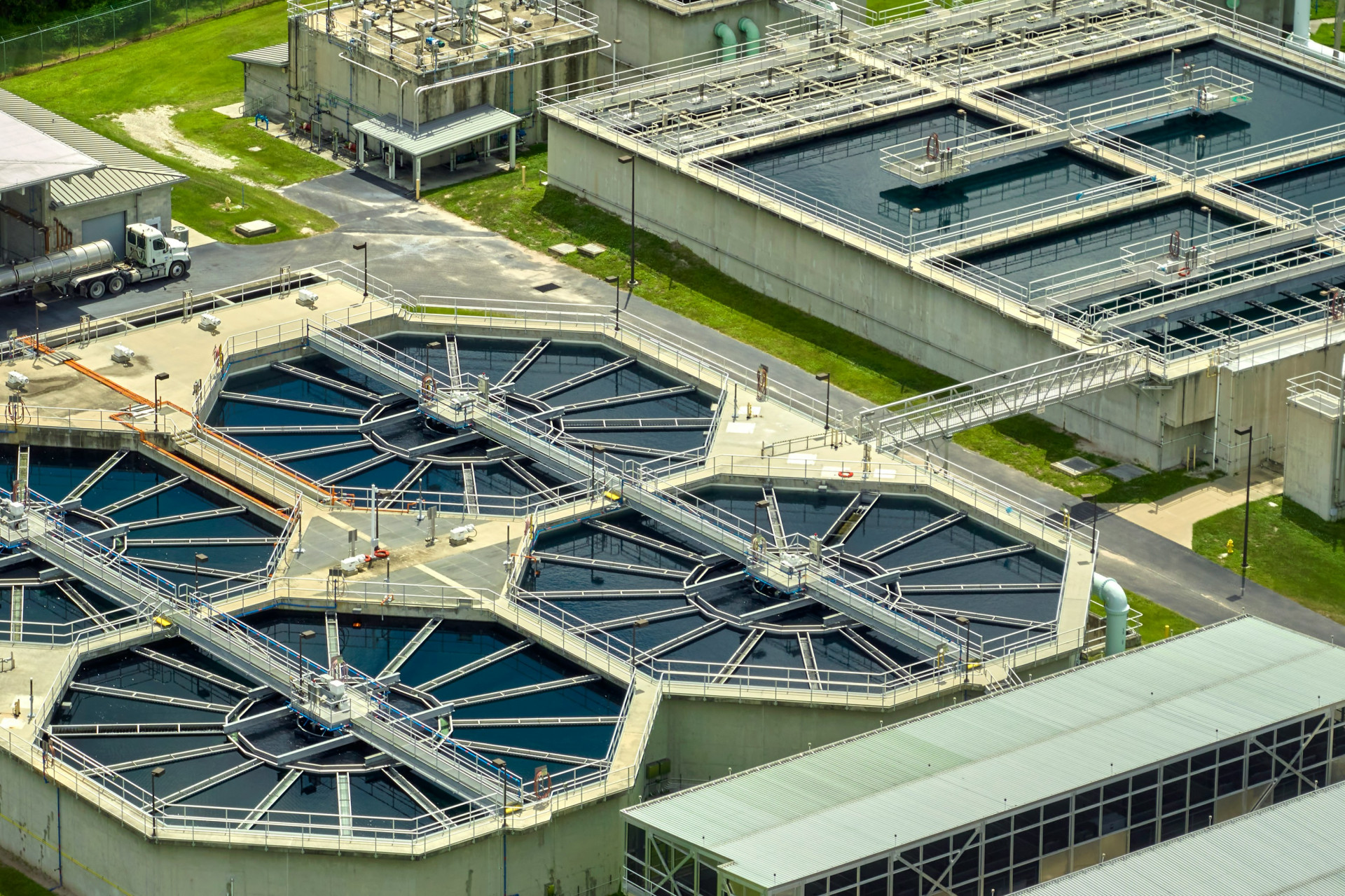
Next, the water flows into large settling tanks where heavier solids sink to the bottom as sludge, while oils and grease float to the top and are skimmed off. The partially cleaned water then moves on to the next stage.
Biological Treatment – Microorganisms at Work
In the biological stage, nature lends a hand. The wastewater enters aeration tanks filled with microorganisms that feed on the organic matter in the water. These bacteria break down waste into carbon dioxide, water, and new microbial cells.
To keep the bacteria active, air is pumped into the tanks, providing the oxygen they need to thrive. This process also helps remove nitrogen compounds that can harm aquatic life if released untreated. Afterward, the mixture flows into another settling tank where the microorganisms settle out as sludge, leaving much cleaner water behind.
Chemical Treatment – Targeting Nutrients and Metals
Even after biological treatment, some pollutants remain—especially nutrients like phosphorus and nitrogen. Too much of these nutrients in rivers or lakes can cause algae blooms and oxygen depletion, which threaten fish and other wildlife.
To remove them, treatment plants often add chemicals that cause the nutrients to clump together and settle out. Some facilities also use advanced filtration systems or activated carbon to capture trace contaminants such as heavy metals, pharmaceuticals, and microplastics.
Læs også:
Sludge – Turning Waste into Energy
The sludge collected during treatment isn’t just waste. It’s rich in organic material that can be turned into a resource. Many U.S. treatment plants send sludge to digesters—large, oxygen-free tanks where bacteria break it down and produce biogas. This biogas can be used to generate electricity or heat, helping the plant reduce its energy use.
After digestion, the remaining material is dried and treated. In some cases, it can be used as fertilizer on farmland, provided it meets strict safety standards set by the Environmental Protection Agency (EPA).
Clean Water Returns to Nature
Once the water has passed through all stages of treatment, it’s clean enough to be released into nearby rivers, lakes, or coastal waters. Before discharge, samples are tested to ensure the water meets federal and state environmental standards. Continuous monitoring helps protect ecosystems and public health.
In some regions, especially in the western U.S., treated wastewater is also reused for irrigation, industrial processes, or even further purified to become drinking water—a practice known as water recycling or water reuse.
The Future of Wastewater Treatment
Wastewater treatment technology is evolving rapidly. New methods such as membrane filtration, ultraviolet disinfection, and ozone treatment are making it possible to remove even the smallest pollutants. Many plants are also becoming more energy-efficient and sustainable, aiming to recover resources rather than simply dispose of waste.
The goal is clear: to return water to nature as clean as possible and to make the most of the valuable materials it contains. After all, every drop of water is part of the same cycle—and the cleaner we keep it, the healthier our planet will be.
Læs også: