Find the Sewer Lines on Your Property – Here’s How

Find the Sewer Lines on Your Property – Here’s How
Knowing where the sewer lines run on your property can save you time, money, and a lot of frustration. Whether you’re planning to dig in your yard, build an addition, or troubleshoot a drainage issue, it’s essential to understand where those underground pipes are located. Here’s a practical guide to help U.S. homeowners locate their sewer lines safely and accurately.
Why It’s Important to Know Where Your Sewer Lines Are
Your home’s sewer lines carry wastewater from sinks, toilets, and drains to the municipal sewer system or your septic tank. If you know where they’re located, you can avoid damaging them during landscaping or construction projects. You’ll also be better prepared to identify the source of problems like clogs, leaks, or tree root intrusion.
In many areas, building permits require you to document the location of underground utilities before starting a project. Accidentally hitting a sewer line can lead to costly repairs and even fines, so it’s worth taking the time to locate them properly.
Start with Official Utility Information
The first step is to gather existing records. Most U.S. homeowners can access maps or diagrams showing underground utilities through local or state resources.
- Call 811 before you dig. This free national service connects you with your state’s utility locating center. Within a few days, utility companies will mark the approximate locations of public lines—such as water, gas, and sewer—on your property.
- Check with your city or county public works department. Many municipalities keep sewer maps or “as-built” drawings that show where the main sewer lines and your property’s connection points are located.
- Review your home’s inspection or closing documents. If your home was recently purchased, the inspection report or building plans may include information about the sewer layout.
Keep in mind that 811 and city maps usually show only public lines and the connection to your property. The private portion of the sewer line—from your house to the property line—is your responsibility to locate.
Look for Visible Clues on Your Property
Even though sewer lines are buried, you can often spot signs of where they run:
- Cleanouts: Look for capped pipes sticking a few inches above ground, often near the foundation or along the path to the street. These provide access to the sewer line for maintenance.
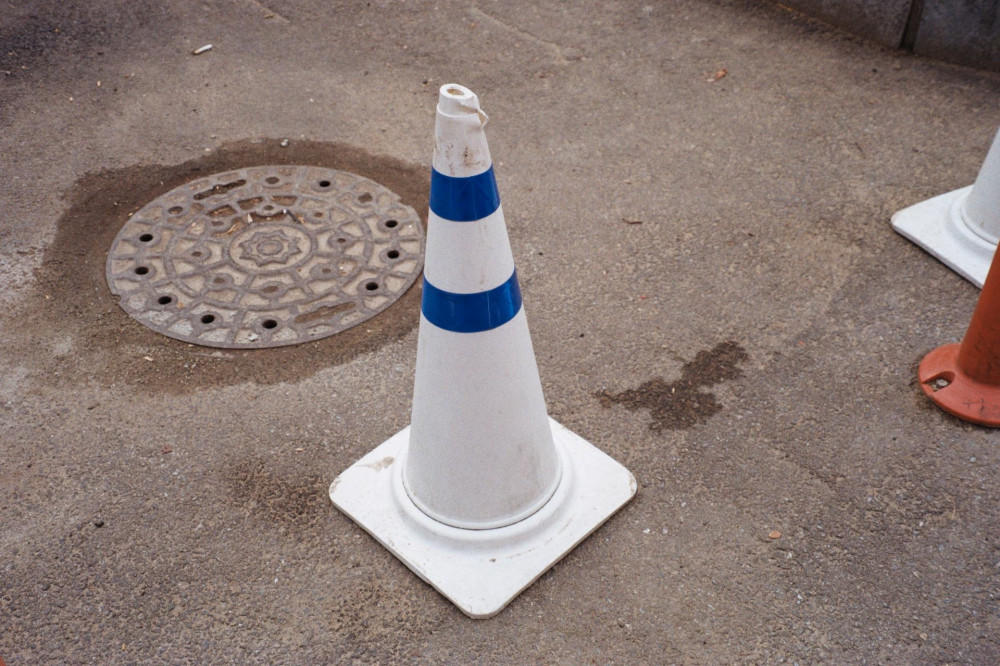
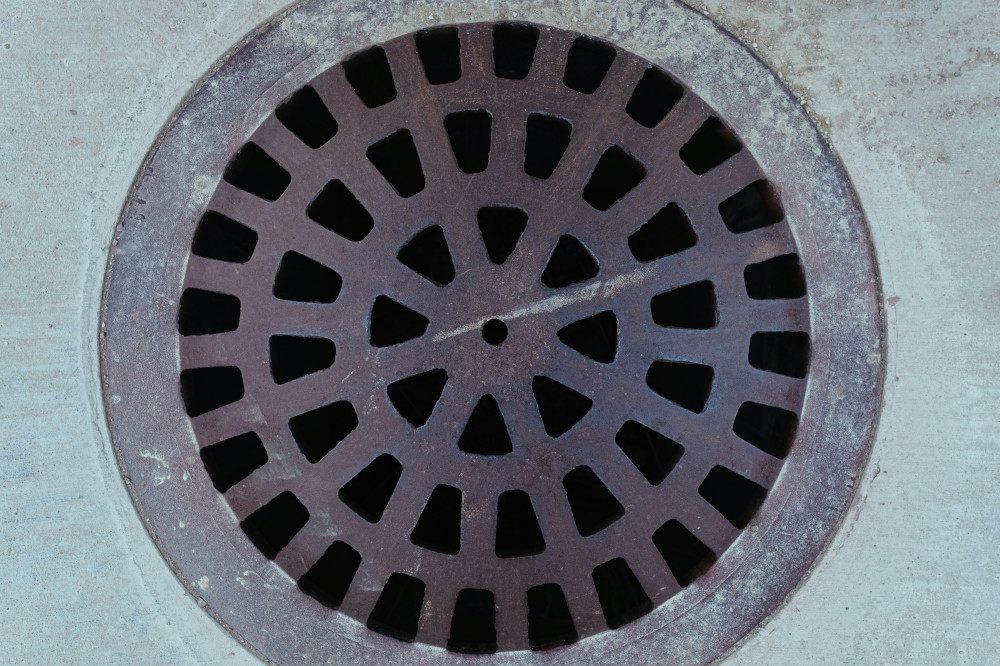
- Manholes or access covers: In some yards or driveways, small metal or plastic covers mark inspection points.
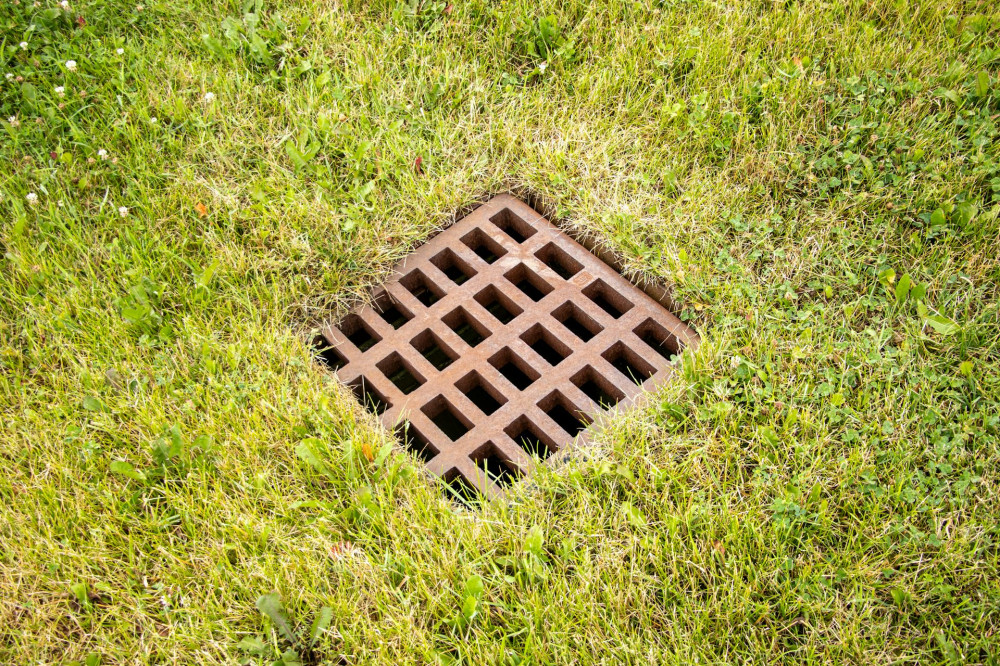
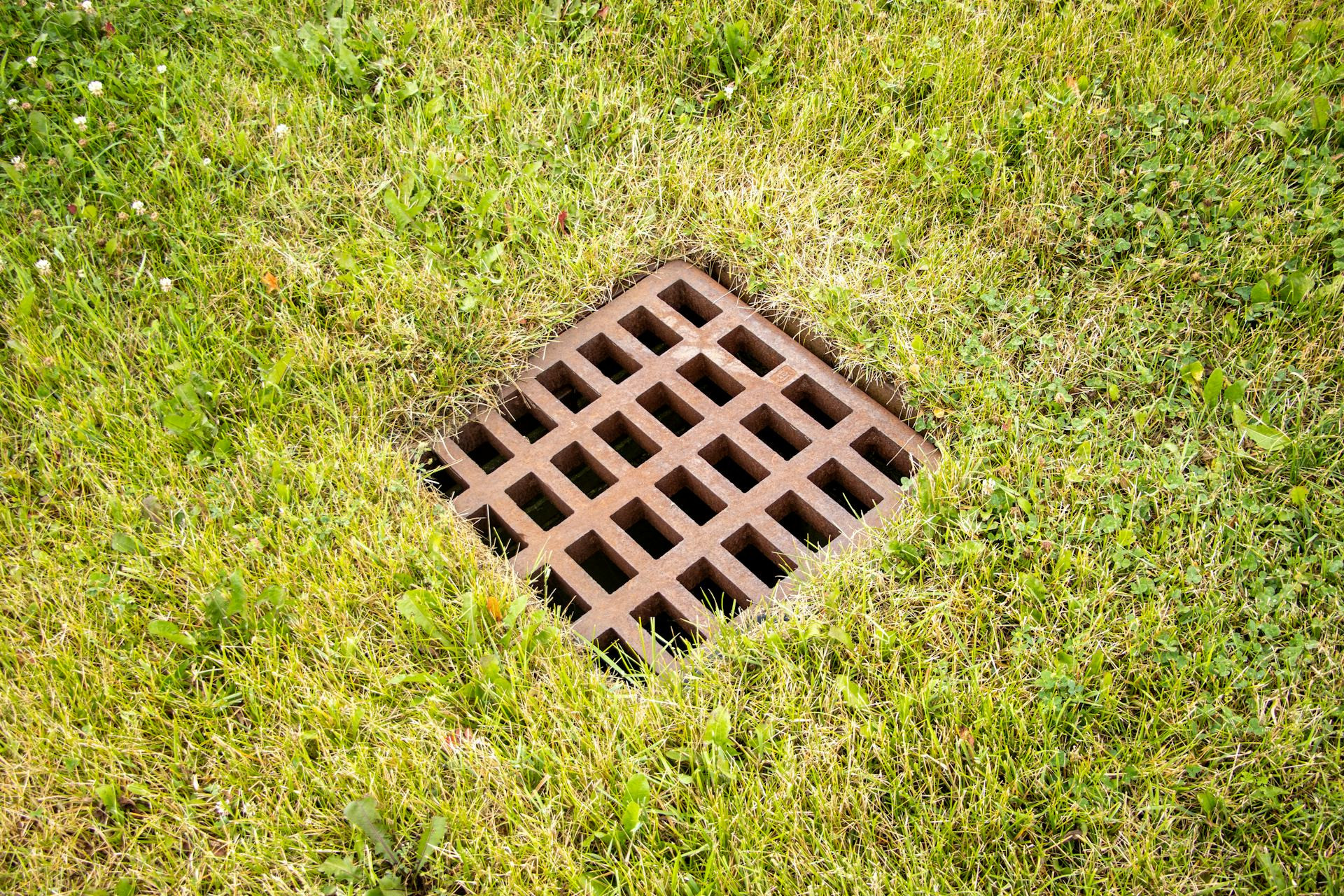
- Downspouts and drains: Outdoor drains or downspouts that connect to underground pipes may lead toward the main sewer line.
- Slope of the land: Sewer lines typically run downhill from the house toward the street or septic system.
By following these clues, you can make an educated guess about the direction and depth of your sewer pipes.
Get Professional Help for Accurate Location
If you need precise information—especially before construction or major repairs—hire a licensed plumber or sewer contractor. Professionals have specialized tools to locate sewer lines accurately, such as:
- Sewer cameras: A small camera is inserted into the pipe to map its route and check for damage.
- Electronic locators: These devices track a signal sent through the camera or a probe, pinpointing the line’s exact path and depth.
A professional inspection can also reveal issues like cracks, blockages, or root intrusion that you might not notice otherwise.
Læs også:
Create and Keep Your Own Updated Map
Once you’ve identified where your sewer lines run, draw a simple map of your property showing their location, direction, and any access points. Store this with your home’s maintenance records. Having an updated diagram will save you time and money in the future—especially if you plan to dig, remodel, or sell your home.
Know Your Responsibilities
As a homeowner, you’re responsible for maintaining the private sewer lines on your property, up to the point where they connect to the public system or septic tank. The city or utility company is responsible for the public portion beyond that connection. If a problem occurs, knowing where that boundary lies will help you determine who to call.
In most areas, any major sewer work must be performed by a licensed professional and may require a permit. Always check local regulations before making changes to your plumbing or drainage system.
A Small Effort That Can Prevent Big Problems
Finding your sewer lines may take a bit of research, but it’s a worthwhile investment. You’ll avoid costly mistakes when digging, be better prepared for maintenance, and protect your property from potential damage. With the right information in hand, you can keep your home’s plumbing system running smoothly for years to come.
Læs også: