Keep Pests Away with Simple Cleaning Habits

Keep Pests Away with Simple Cleaning Habits
Ants in the kitchen, moths in the closet, or silverfish in the bathroom – most homes will, at some point, have to deal with unwanted little visitors. But often, you can prevent these problems with something as simple as good cleaning habits. Pests look for food, moisture, and shelter, and by removing those three things, you make your home far less appealing to them. Here’s a guide to how a few simple routines can help keep pests away.
Start with the Kitchen – a Pest’s Favorite Spot
The kitchen is where pests most often find their way in. It offers both food and moisture, and even tiny crumbs can be enough to attract them.
- Wipe down surfaces after cooking. Crumbs and grease spots are a feast for ants and cockroaches.
- Store food in sealed containers. Flour, cereal, and sugar shouldn’t be left in open bags – use glass or plastic containers with tight lids.
- Empty the trash regularly. Organic waste quickly attracts flies and larvae, especially in warm weather.
- Clean under and behind appliances. Food debris often collects under the fridge or stove, where you don’t see it every day.
A clean kitchen isn’t just pleasant to be in – it’s also your best defense against unwanted guests.
Keep the Bathroom Dry and Well-Ventilated
Silverfish and other moisture-loving insects thrive in warm, damp environments. That makes the bathroom a perfect place for them to settle.
- Air out after showers. A few minutes with the window open or the fan running can make a big difference.
- Wipe down wet surfaces. Remove water from floors and walls so moisture doesn’t linger in corners or grout.
- Clean drains regularly. Hair and soap residue can create a breeding ground for bacteria and small insects.
- Check for leaks and cracks. Moisture behind tiles or under the sink can attract pests and lead to mold.
A dry bathroom is not only healthier for you – it’s also far less interesting to pests.
Læs også:

Don’t Forget Storage Areas and Closets
Basements, attics, and closets are often overlooked in daily cleaning, but they can be perfect hiding spots for moths, mice, and spiders.
- Vacuum and dust a few times a year. This disturbs pest hiding places and removes dust and cobwebs.
- Store textiles in sealed bags or boxes. Moths lay eggs in wool and cotton, so protect your clothes and bedding.
- Avoid dampness. Use a dehumidifier in the basement if needed, and make sure there’s good ventilation.
- Keep things organized. The less clutter you have, the fewer places pests can hide.
Small adjustments in how you store things can make a big difference in how attractive your home is to uninvited guests.
Cleaning as Prevention – Not Just Reaction
Many people only act when they see a pest. But the best strategy is to prevent problems before they start. A regular cleaning routine makes it easier to spot early signs of trouble – and to take action in time.
Create a simple plan where you focus on one area each week: kitchen, bathroom, closets, windowsills. It doesn’t have to take long, but it keeps your home clean, organized, and pest-free.
When Cleaning Isn’t Enough
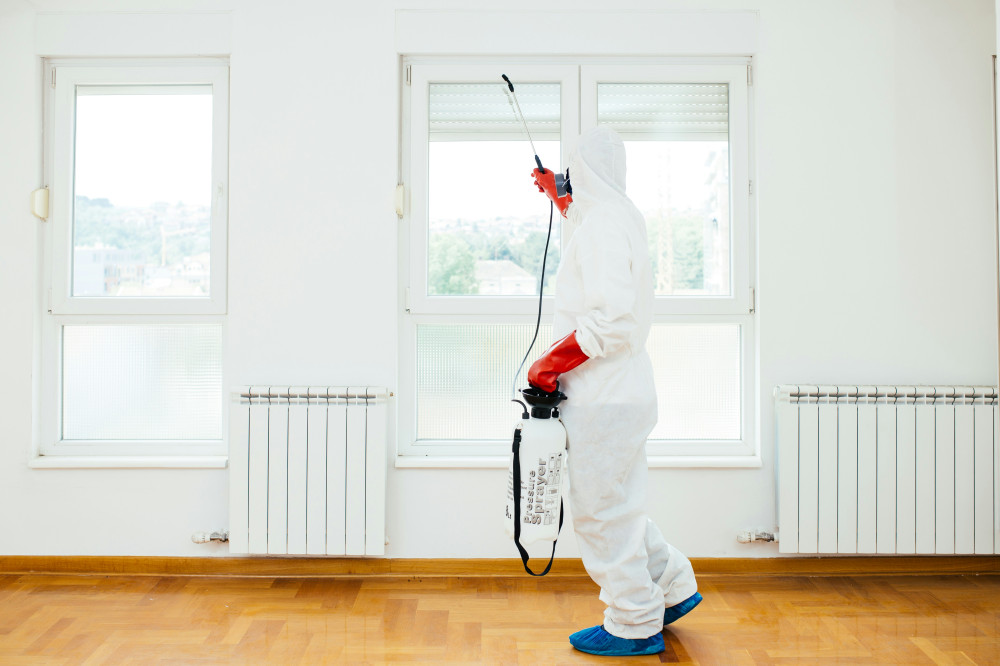
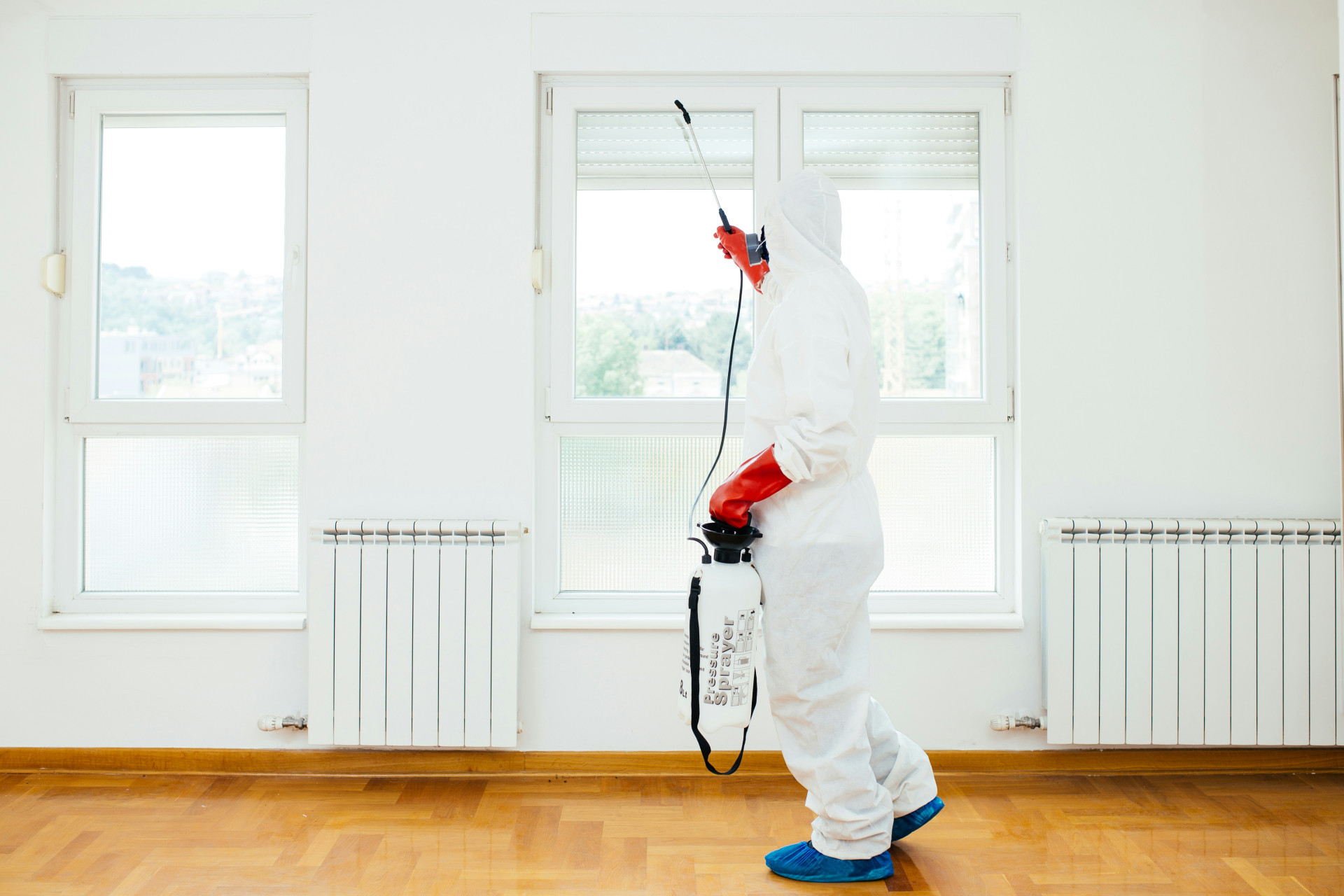
Even with good habits, problems can still occur, especially in older buildings or during peak pest seasons. If you notice repeated infestations, it may be time to contact a professional pest control service. They can identify the cause and advise you on how to prevent future issues.
In most cases, though, it’s the daily habits that make the difference. A clean, dry, and tidy home is the best protection against pests – and it makes everyday life more comfortable, too.
Læs også: