Dig Safely: How to Avoid Damaging Utilities During Drainage Work

Dig Safely: How to Avoid Damaging Utilities During Drainage Work
When you’re installing or repairing drainage around your home or property, it’s important to think about more than just water flow. Beneath the ground lies a complex network of buried utilities—electric, gas, water, sewer, and communication lines. A single wrong move with a shovel or excavator can cause costly damage, service outages, or even serious injury. Here’s a practical guide to help you dig safely and avoid accidents during drainage work.
Know What’s Underground—Before You Dig
The most important step before any digging project is to find out what’s buried in the area. Many accidents happen because people guess where utilities are located—and guess wrong.
- Call 811 before you dig – In the U.S., it’s the law to contact your local one-call center by dialing 811 at least a few business days before you start digging. Utility companies will send locators to mark the approximate positions of underground lines with color-coded paint or flags.
- Wait for the marks – Don’t start digging until all utilities have been marked. Each color represents a different type of utility—red for electric, yellow for gas, blue for water, and so on.
- Check for private lines – The 811 service marks only public utilities. Private lines, such as power to a detached garage, irrigation systems, or old drainage pipes, are your responsibility to locate. You may need to hire a private locator to find them.
Taking time to identify what’s underground can save you from expensive repairs and dangerous situations later.
Plan Your Work Carefully
Once you know where the utilities are, plan your drainage layout to avoid them. Draw a map of your project area and mark both the drainage lines and the existing utilities.
- Maintain safe distances – Keep a buffer zone between your drainage trench and any marked utility lines. If you must dig near a line, follow the utility company’s safety guidelines.
- Use hand tools near utilities – When you’re within 18–24 inches of a marked line, switch from machinery to hand digging. It’s slower, but it greatly reduces the risk of damage.
- Be mindful of depth – Drainage pipes are often installed 2–4 feet deep, but utilities can be buried at varying depths. Dig cautiously throughout the project.
A well-thought-out plan makes your work safer, smoother, and more efficient.
Use the Right Equipment
The right tools and techniques can make a big difference in both safety and results. If you’re using machinery, make sure the operator is experienced and aware of the marked utilities.
- Mark utilities clearly – Use flags, stakes, or spray paint to keep utility locations visible throughout the job.
- Use a utility locator – If you’re unsure about a line’s exact position, a handheld locator can help you verify it before digging.
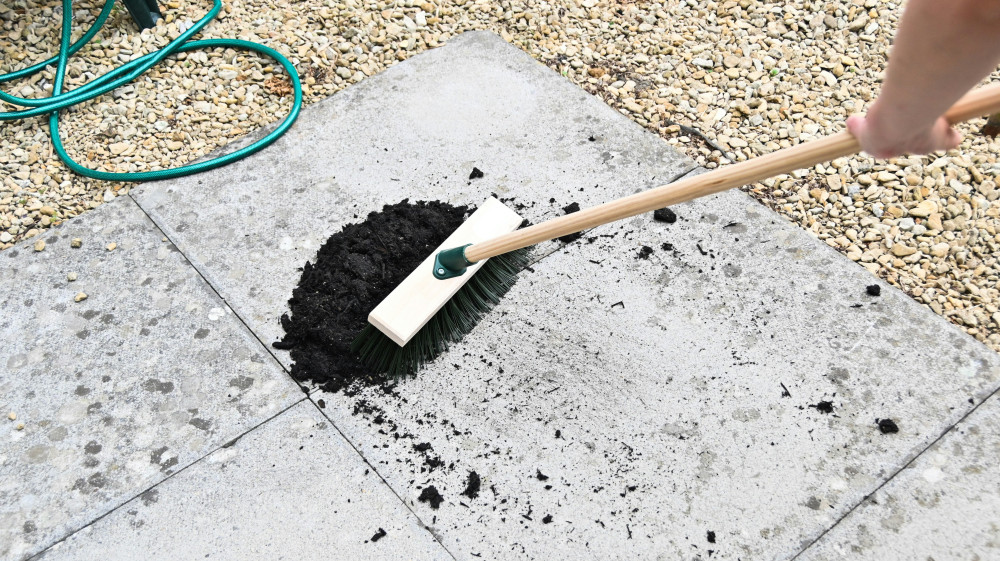
- Manage excavated soil carefully – Pile soil on the side away from utilities to avoid damaging lines when backfilling.
Safety isn’t just about avoiding accidents—it’s about maintaining control and awareness from start to finish.
If You Hit a Utility Line
Even with careful planning, accidents can happen. If you strike a line or suspect damage, act quickly and safely.
- Stop work immediately – Don’t continue digging until you know what’s been affected.
- Contact the utility company – They can assess the damage and arrange for repairs.
- If it’s an electric line, stay clear – Move away from the area with small steps to avoid electric shock, and call 911 or the utility emergency number right away.
- For gas leaks, evacuate and call 911 – If you smell gas or hear a hissing sound, leave the area immediately and notify authorities.
Never try to repair a damaged utility yourself—it’s dangerous and could make the situation worse.
Læs også:


Document Your Work for the Future
Once your drainage system is installed, take photos and make a sketch showing where the pipes are located. Keep this information with your property records. It will make future projects easier and safer for you or anyone else who digs on your property.
Dig Smart, Stay Safe
Drainage work can improve your property’s health and value, but it requires careful preparation. By calling 811, planning your work, and using safe digging practices, you can protect yourself, your property, and your community.
In short: dig smart, not blind.
Læs også: