The Key Elements of a Practical and Functional Wardrobe

The Key Elements of a Practical and Functional Wardrobe
A well-functioning wardrobe isn’t about owning as many clothes as possible—it’s about having the right pieces and being able to find them when you need them. A practical and functional wardrobe makes everyday life easier, saves time in the morning, and helps you make the most of your space. Here’s a guide to building a wardrobe that’s organized, versatile, and tailored to your lifestyle.
Start by Taking Inventory
Before you can create a functional wardrobe, you need to know what you already have. Take everything out of your closet and sort it into categories: clothes you wear often, clothes for special occasions, and clothes you rarely or never wear. This gives you a clear picture of what’s taking up space—and what might be ready to go.
A helpful question to ask yourself is: Have I worn this in the past year? If the answer is no, it might be time to donate or sell it. A wardrobe with fewer, well-chosen pieces is much easier to maintain and navigate.
Think in Terms of Function and Lifestyle
Your wardrobe should reflect your daily life. If you work in an office, you’ll need more polished basics. If your job or hobbies are more active, you’ll want comfortable, practical pieces and activewear. Consider how your clothes need to function in different situations, and build your wardrobe around that.
A good foundation includes versatile basics that can be mixed and matched: well-fitting jeans, neutral T-shirts, a classic button-down shirt, a blazer, a cozy sweater, and a pair of quality shoes. Once your core pieces are in place, you can add seasonal or statement items that express your personality.
Organization and Storage
Even the best wardrobe loses its functionality if it’s cluttered. Good organization makes it easy to find what you’re looking for and helps your clothes last longer.
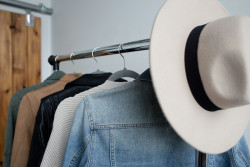
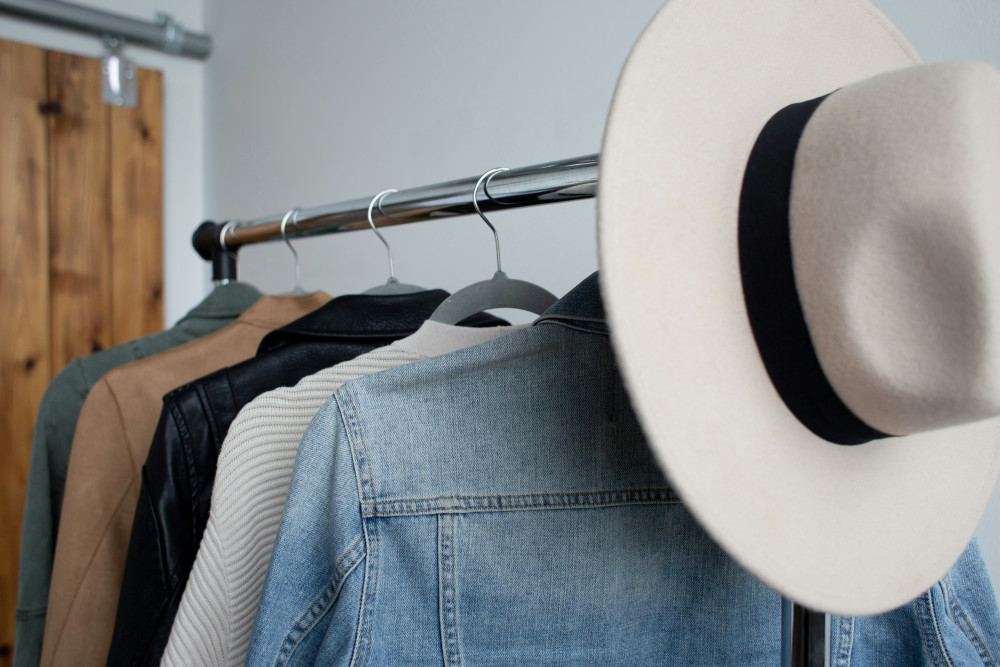
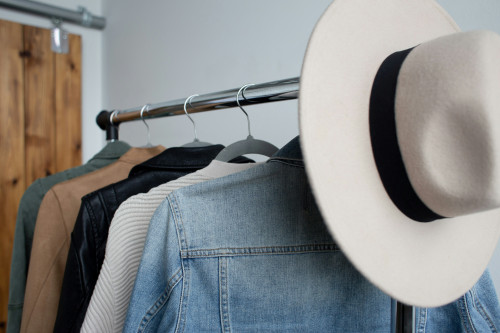
- Use matching hangers for a clean, cohesive look and to save space.
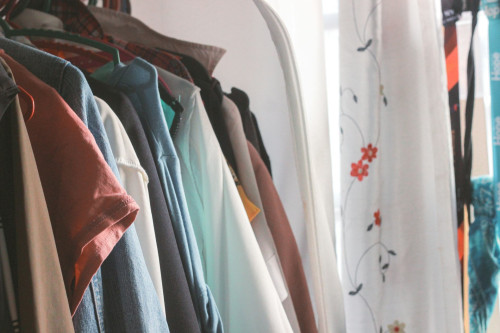
- Group items by category and color so you can quickly see what you have.
- Maximize vertical space with shelves or bins for seasonal items.
- Drawers and baskets are perfect for underwear, socks, and accessories.
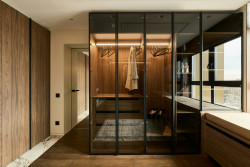
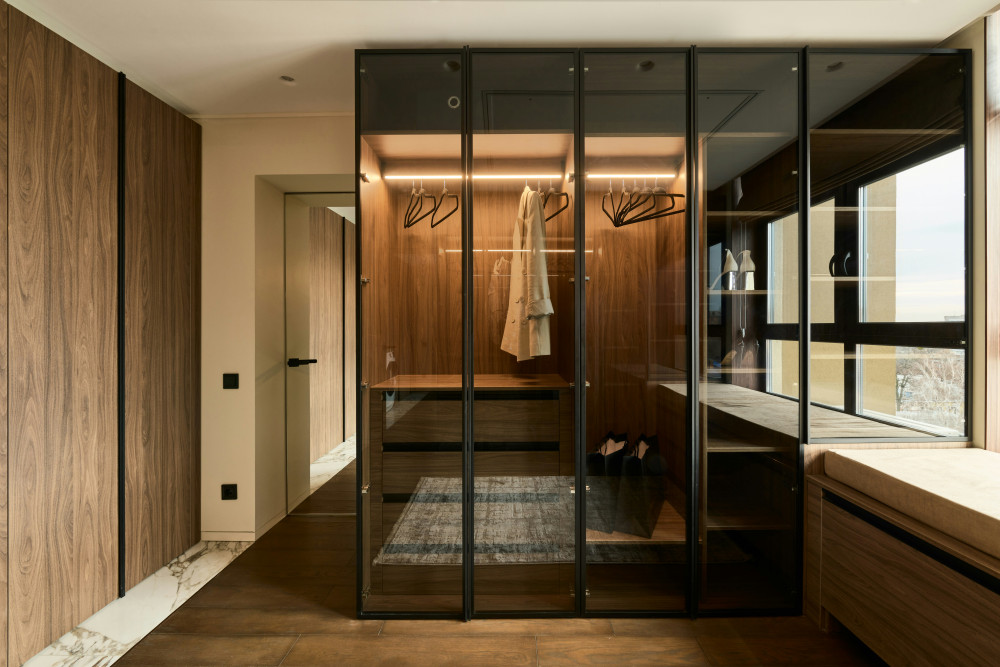
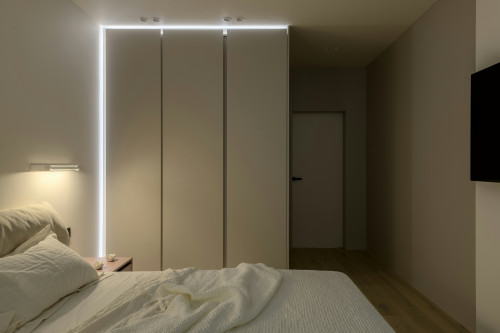
- Good lighting and a full-length mirror make it easier to put together outfits and see the full picture.
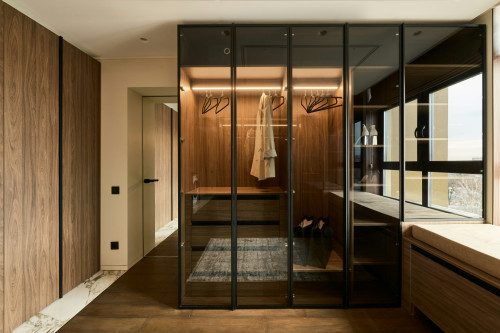
If you’re working with a small space, sliding doors, narrow shelving, or modular closet systems can be smart solutions.
Quality Over Quantity
A functional wardrobe isn’t about having the most clothes—it’s about choosing quality pieces that last. Well-made garments hold their shape, look better over time, and feel more comfortable to wear. This is especially important for the items you use most often, like jeans, jackets, and shoes.
When shopping for something new, ask yourself whether it fits with what you already own. Can it be paired with at least three other items in your wardrobe? If yes, it’s probably a worthwhile addition.
Seasonal Rotation and Maintenance
A couple of times a year, it’s a good idea to review your wardrobe. Store away summer clothes in winter and vice versa—this frees up space and keeps your closet manageable. Pack away off-season items in bins or vacuum bags, and make sure everything is clean before storing it.
Maintenance is also key to a functional wardrobe. Air out clothes instead of washing them too often, and repair small damages before they become major issues. This extends the life of your clothes and saves both money and resources.
Make Room for Personality
While practicality is essential, your wardrobe should also reflect who you are. A scarf in your favorite color, a piece of jewelry with sentimental value, or a jacket with a unique cut can add personality to your look. The goal is to find the balance between functional and personal—so you feel both comfortable and confident in what you wear.
Læs også:
A Wardrobe That Works for You
A practical and functional wardrobe isn’t a one-time project—it’s a system that evolves with you. Once you’ve established structure and clarity, it becomes easier to stay organized, choose outfits, and feel good about your style every day. It’s not just about fashion—it’s an investment in peace of mind, time, and confidence.
Læs også: