Solar Panels and Smart Homes: When Energy Management Gets Smarter


Solar Panels and Smart Homes: When Energy Management Gets Smarter
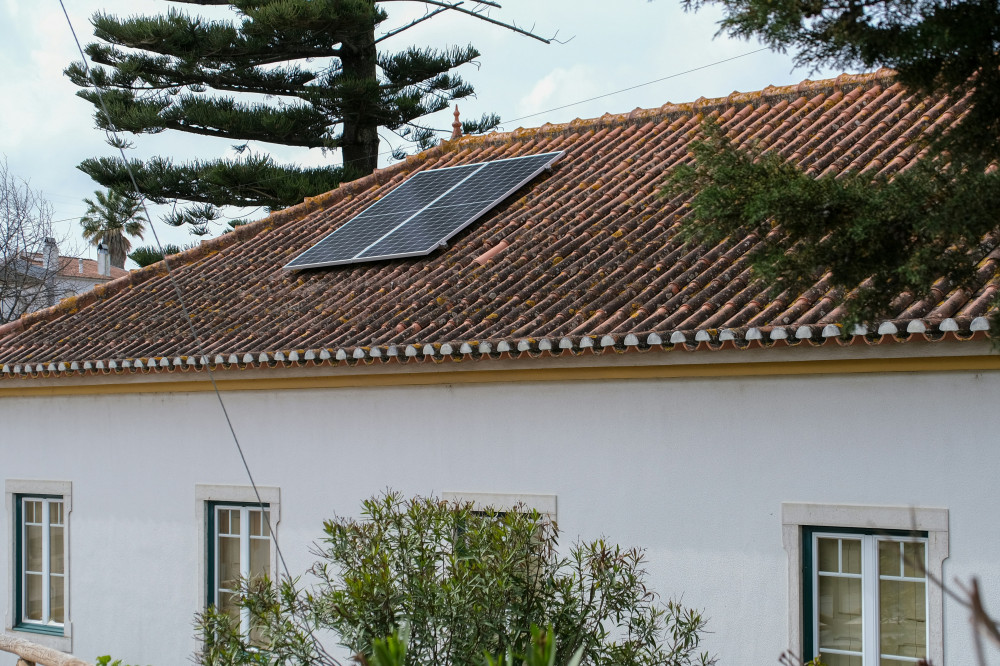
Solar panels have become a familiar sight on rooftops across the United States. At the same time, smart home technology has moved from novelty to necessity, offering homeowners new ways to control comfort, security, and energy use. When these two technologies come together, they create a powerful combination: a home that not only generates its own electricity but also manages it intelligently. Let’s explore how solar panels and smart home systems are reshaping the way Americans think about energy.
From Passive Production to Active Management
In the early days of residential solar, most systems simply produced electricity and sent any excess back to the grid. But as utility rates fluctuate and net metering policies evolve from state to state, it’s becoming more valuable to use your own solar power as it’s generated. That’s where smart home technology steps in.
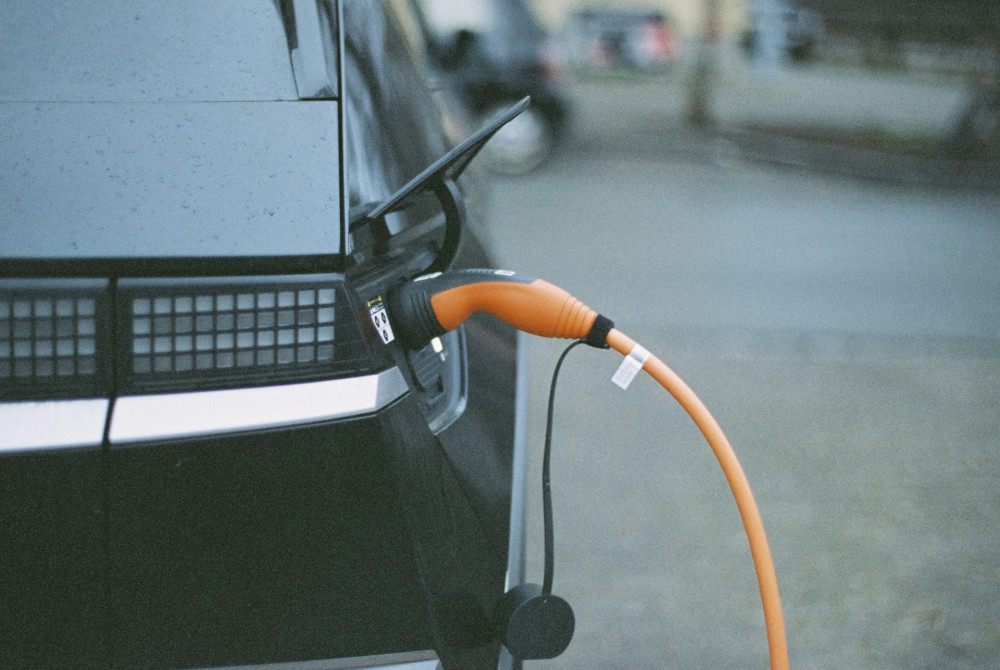
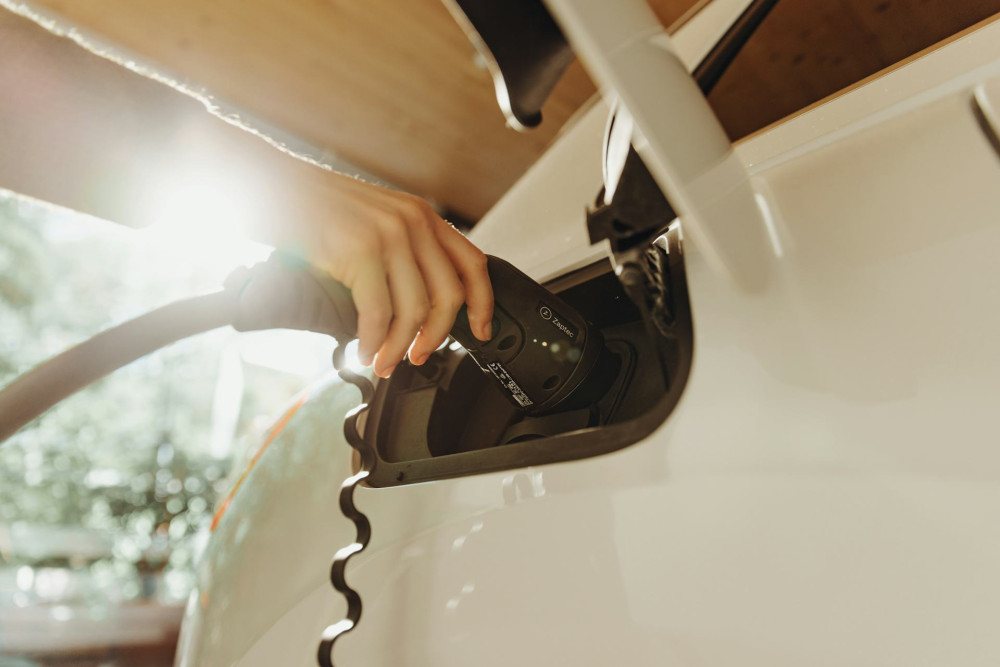
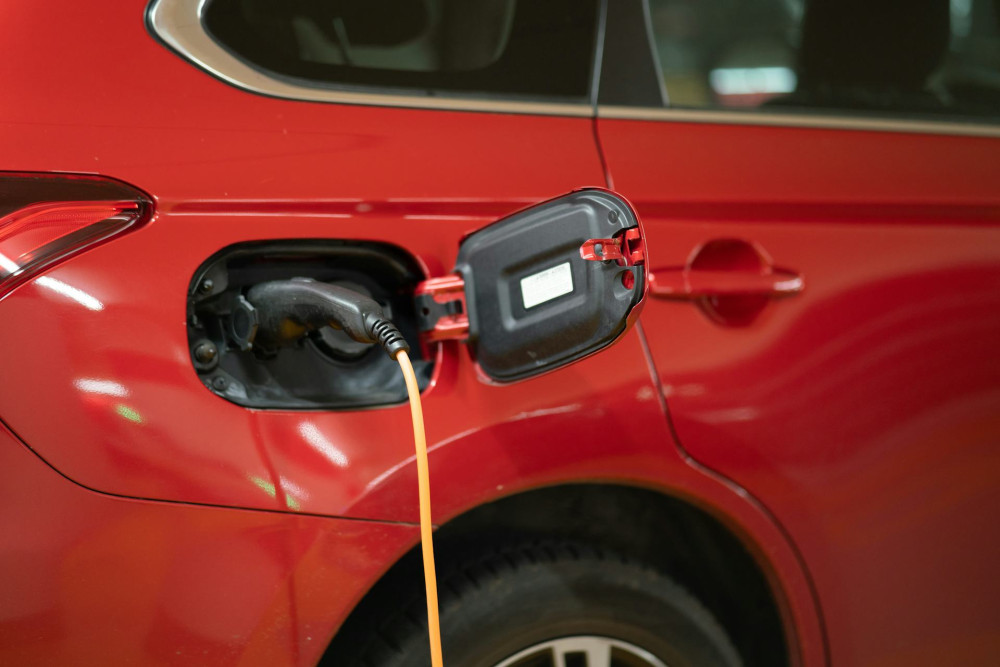
With connected devices, sensors, and automation, your home can respond dynamically to energy conditions. For example, your dishwasher or EV charger can automatically start when your panels are producing the most power. Smart thermostats can adjust heating or cooling based on solar output, ensuring that you use clean energy when it’s available and reduce grid dependence when it’s not.
Solar as Part of a Home Energy Network
A modern solar setup is more than just panels on the roof. It can include battery storage, smart inverters, and integration with the local grid. When combined with a smart home system, these components form a self-regulating energy network right inside your home.
- Battery storage allows you to save excess solar energy for use after sunset or during power outages.
- Intelligent control ensures that energy flows where it’s most needed—whether that’s charging your EV, running appliances, or maintaining comfort.
- Data and monitoring give you real-time insight into your production and consumption, helping you fine-tune your energy habits.
The result is a home that doesn’t just produce clean power—it uses it wisely.
Læs også:




Everyday Automation
Smart home platforms make it easy to connect solar energy with daily routines. You can set up automated rules that run quietly in the background:
- When solar production peaks, the washing machine starts automatically.
- When the battery is full, surplus power goes to charge the electric vehicle.
- When electricity prices rise, nonessential devices scale back their usage.
All of this happens without you lifting a finger. The outcome is greater comfort, lower bills, and a smaller carbon footprint—all while maintaining convenience.
Economics and Sustainability Aligned
While the upfront cost of solar panels and smart home equipment can seem significant, the long-term financial benefits are compelling. By maximizing self-consumption and improving efficiency, homeowners can cut utility bills and increase energy independence. Federal tax credits, state incentives, and utility rebates make the investment even more attractive.
At the same time, the technology is becoming more affordable and user-friendly. Many U.S. utilities now offer time-of-use rates or real-time pricing, which smart systems can automatically respond to—further boosting savings and sustainability.
The Future of the Smart Energy Home
The pace of innovation is accelerating. In the near future, solar panels, batteries, heat pumps, and electric vehicles will communicate seamlessly through unified platforms. Artificial intelligence will predict your household’s energy patterns and adjust usage accordingly. The goal is a home that’s not only self-sufficient but also flexible and connected to a smarter, cleaner grid.
For American homeowners, this means energy management that’s both smarter and more personal. It’s a future where your home thinks for itself—helping you live greener, save money, and enjoy comfort powered by the sun.
Læs også: