Train with Clear Signals – How Your Pet Can Understand You Better

Train with Clear Signals – How Your Pet Can Understand You Better
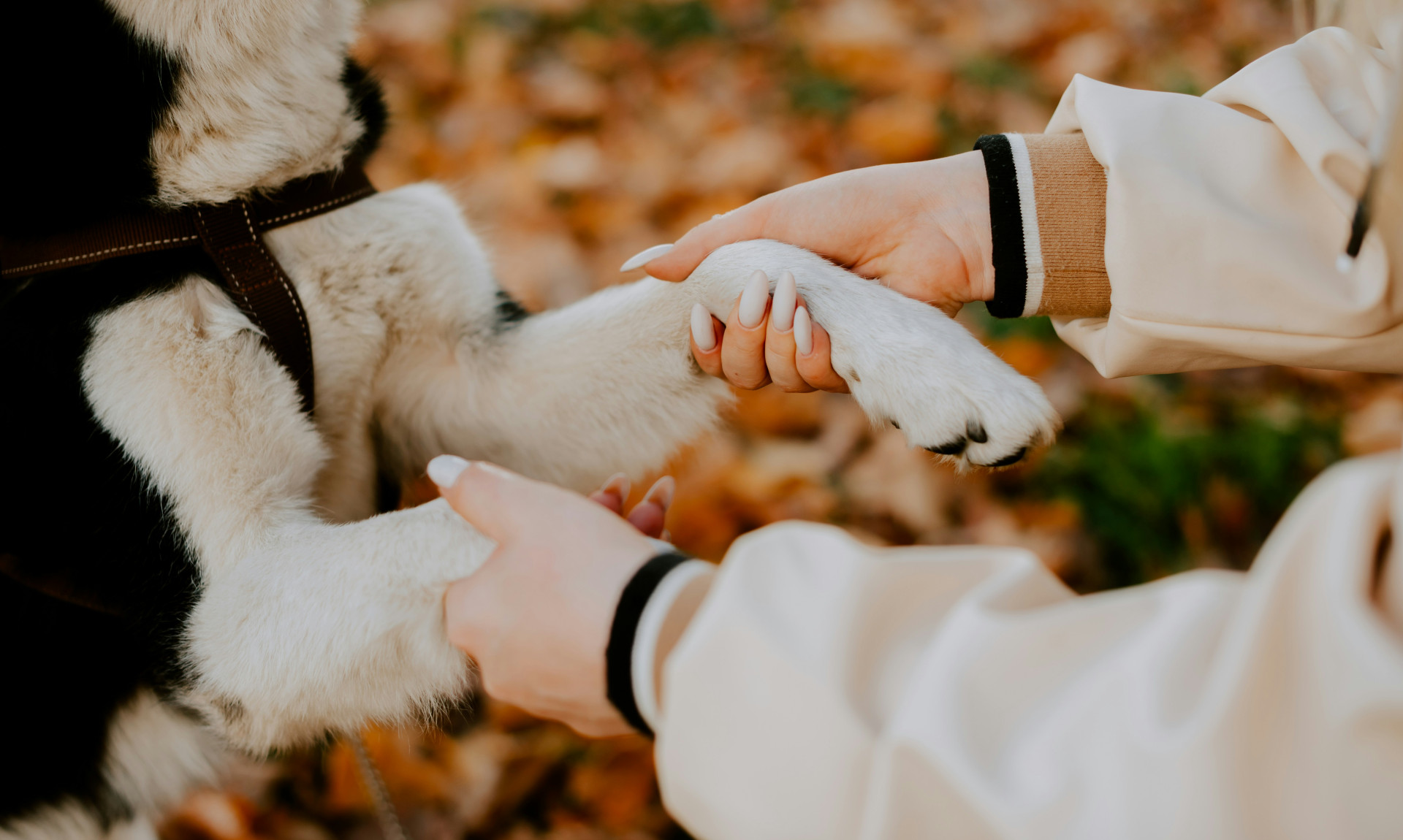
Training your pet isn’t just about teaching tricks or obedience. It’s about communication — building a shared language between you and your animal. Whether you live with a dog, cat, or rabbit, clear signals and consistent behavior make it easier for your pet to understand what you want. Here’s how you can strengthen cooperation and create a trusting relationship through clear communication.
Why Clear Signals Matter
Pets don’t understand words the way humans do. They respond to tone, body language, and repetition. If you say “no” in ten different ways, your pet will be confused. But if you use the same word, tone, and gesture every time, your message becomes clear.
Consistency creates predictability — and predictability builds confidence. A pet that knows what to expect feels calmer and more willing to cooperate. This applies to everyday routines like feeding and walks, as well as more focused training sessions.
Use Your Body as Your Main Tool
Animals read body language much faster than words. Your posture, movements, and facial expressions tell them a lot about your intentions. Standing tall and moving calmly signals confidence and control. If you’re tense or raise your voice, your pet may become anxious.
Be mindful of how you move when you train. Point, show, and use hand signals that support your words. Many dog owners find that their pets respond better to a hand gesture than to a spoken command — especially in noisy environments like parks or busy neighborhoods.
Repetition and Timing Make the Difference
Timing is everything in training. A pet connects your reaction only to what happens in the moment. Praise or rewards should come immediately after the desired behavior — not several seconds later. The same goes for corrections: they should be calm, brief, and precise.
Repetition is equally important. Pets learn best through many short, consistent sessions. It’s better to train for five minutes every day than for an hour once a week. This approach strengthens both understanding and your bond.
Create a Positive Training Experience
Training should be enjoyable — for both you and your pet. Use praise, treats, or play as rewards, and always end on a positive note. When your pet associates training with fun, it will be more motivated to participate.
Avoid punishment or harsh methods. They create fear and insecurity, which can damage trust. Instead, ignore unwanted behavior and reward what you want to see more of. This positive reinforcement approach is both effective and kind.
Adapt Your Signals to Your Pet
Every animal is unique. A cat responds differently than a dog, and a rabbit has its own comfort boundaries. Learn to read your pet’s signals — tail position, ears, eyes, and body tension all reveal its mood and limits.
When you adjust your communication to your pet’s temperament and needs, you show respect. That builds trust and makes training more harmonious. A pet that feels understood will also be more eager to understand you.
Patience and Consistency Pay Off
Clear communication takes time. You’ll experience progress and setbacks, but the key is to stay consistent and patient. Animals learn at their own pace, and small steps forward are still progress.
Think of training as an ongoing conversation rather than a list of commands. The more you practice reading and responding to your pet’s signals, the better your teamwork will become — and the stronger your bond will grow.