Store Bricks and Mortar Properly – How to Ensure Their Durability

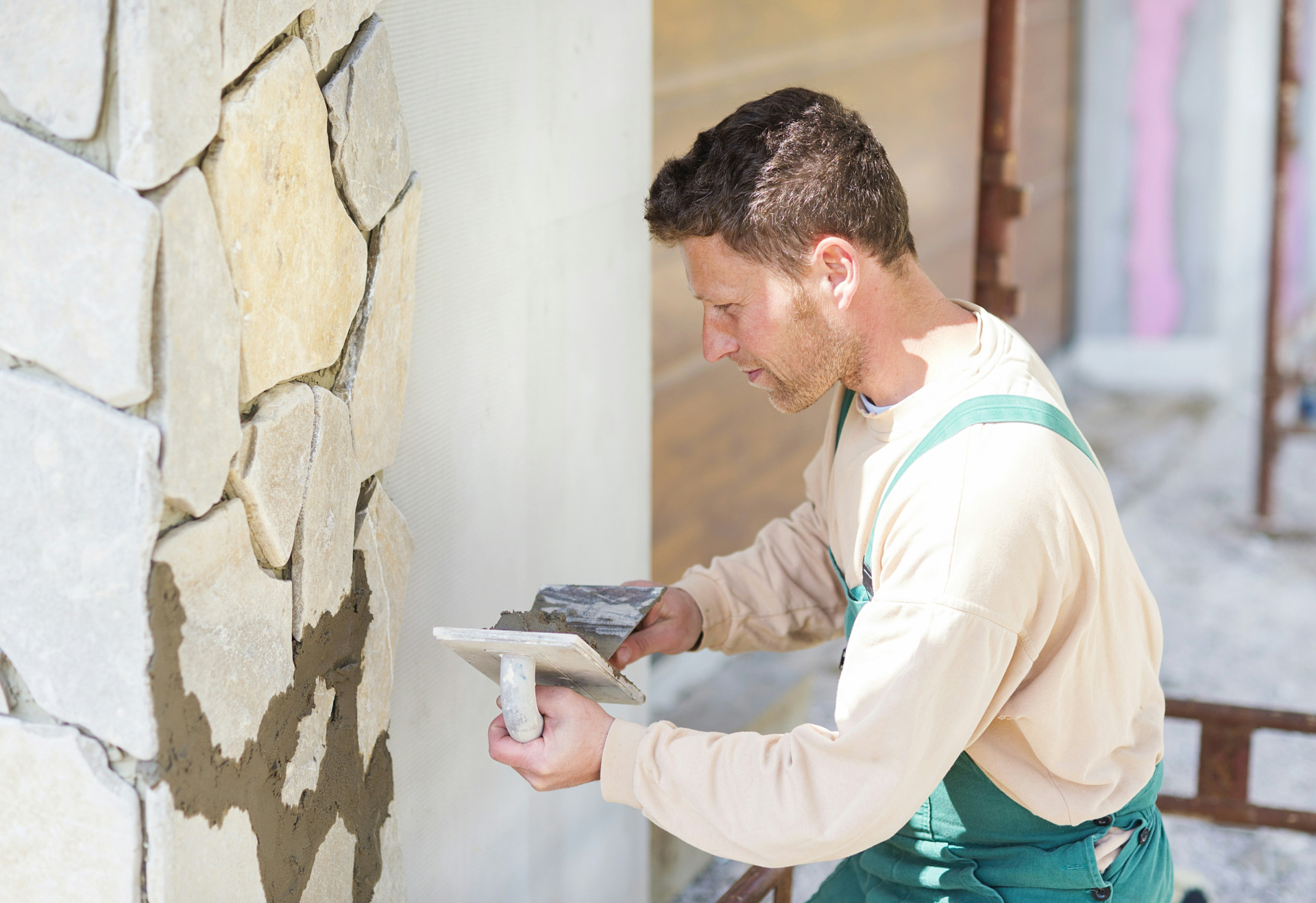
Store Bricks and Mortar Properly – How to Ensure Their Durability
Bricks and mortar are the backbone of many American homes and buildings. When stored correctly, they can last for decades without losing strength or appearance. But improper storage can lead to moisture damage, cracking, or weakened bonding, which can compromise your project’s quality. Here’s a practical guide to keeping your materials in top condition until you’re ready to build.
Why Proper Storage Matters
Both bricks and mortar are porous materials that react to moisture and temperature changes. If they’re exposed to rain, snow, or direct sunlight for long periods, they can deteriorate. Mortar can harden or clump, and bricks can absorb water that later freezes and expands, causing cracks or surface damage.
By storing your materials properly, you’ll avoid waste, extra costs, and construction delays. A little preparation goes a long way toward ensuring a durable, professional result.
How to Store Bricks
Bricks may look tough, but they still need protection from the elements.
- Keep them dry: Cover bricks with a waterproof tarp, but allow for ventilation so condensation doesn’t build up underneath.
- Elevate them off the ground: Stack bricks on pallets or boards to prevent contact with damp soil or standing water.
- Shield from weather: If storing outdoors, place them in a sheltered area or under a lean-to to protect from rain and snow.
- Use older stock first: If you have multiple batches, use the oldest bricks first—they may have been exposed to more moisture and should be used before they degrade.
Bricks that have absorbed moisture for a long time may develop white salt deposits, known as efflorescence. While this doesn’t affect strength, it can cause uneven coloring in visible masonry.
How to Store Mortar
Mortar—whether dry mix or pre-mixed—requires careful handling to maintain its quality.
- Keep it dry: Store dry mortar mix in a cool, dry, and frost-free area. Place bags on pallets and cover them with plastic or a tarp.
- Avoid moisture: Even small amounts of humidity can cause mortar to clump or harden inside the bag.
- Check expiration dates: Most mortar mixes have a shelf life of 6–12 months. Always use the oldest bags first.
- Pre-mixed mortar: If you’re using pre-mixed mortar, store it in a cool place and use it within the manufacturer’s recommended time—often just a few days. Avoid direct sunlight, which can cause premature drying.
A simple way to monitor conditions is to keep a thermometer and hygrometer in your storage area to track temperature and humidity.
Protect Materials During Construction
Even once construction begins, it’s important to protect your materials and unfinished work. Rain, snow, or freezing temperatures can quickly damage both mortar and brickwork.
- Cover walls and materials when work stops, especially overnight.
- Avoid laying bricks in freezing weather—mortar won’t cure properly below 40°F.
- Make sure coverings don’t rest directly on the masonry; allow for airflow to prevent condensation.
These precautions help maintain consistent quality and prevent costly rework.
Long-Term Storage – When Projects Are Delayed
If your project is postponed, your materials can still stay in good condition with proper care. Move bricks to a dry, covered area and check periodically that tarps remain intact. Test any mortar that’s been stored for a long time before use—a small trial mix will show whether it still bonds properly.
A Small Effort with Big Rewards
Proper storage of bricks and mortar doesn’t take much time, but it makes a big difference in the durability and appearance of your finished structure. By protecting your materials from moisture, frost, and sun, you ensure that your masonry remains strong, stable, and beautiful for years to come.