Solar Roofs: How to Future-Proof Your Home and Energy Use

Solar Roofs: How to Future-Proof Your Home and Energy Use
A solar roof is no longer just for the eco-conscious. With rising energy costs, growing climate concerns, and rapid advances in clean technology, solar roofs have become an appealing option for many American homeowners. They combine aesthetics, sustainability, and financial sense—making them one of the smartest ways to future-proof both your home and your energy use.
Here’s an overview of how solar roofs work, what benefits they offer, and what to consider before making the investment.
What Is a Solar Roof?
A solar roof differs from traditional solar panel systems in that the solar cells are built directly into the roofing material. Instead of mounting panels on top of your existing roof, the solar tiles or shingles are the roof itself. This creates a sleek, integrated look while protecting your home just like conventional roofing materials.
There are several types of solar roofs available in the U.S. market—from designs that mimic asphalt shingles to modern, glass-like surfaces. All of them generate electricity by converting sunlight into power you can use in your home or feed back into the grid.
The Benefits of a Solar Roof
Installing a solar roof is an investment that can pay off in multiple ways. Here are some of the key advantages:
- Lower electricity bills: By producing your own power, you reduce your dependence on utility rates and protect yourself from future price hikes.
- Clean, renewable energy: Solar power significantly cuts your carbon footprint and supports a more sustainable energy system.
- Attractive design: Integrated solar shingles blend seamlessly with your home’s architecture—no bulky panels required.
- Durability and longevity: Most solar roofs last 25–40 years and require minimal maintenance.
- Increased home value: Energy-efficient homes are in high demand, and solar installations can boost resale value.
For many homeowners, the decision isn’t just about saving money—it’s about taking an active step toward a greener, more resilient lifestyle.
Cost and Payback Period
The cost of a solar roof depends on your home’s size, roof type, and energy needs. While the upfront investment is typically higher than for a standard roof, the long-term savings can be substantial.
With current electricity prices and federal incentives, many homeowners see a payback period of around 10–15 years. After that, your roof continues to generate nearly free electricity for decades.
You can also maximize your savings by pairing your solar roof with a home battery system, which stores excess energy for use at night or during power outages. This increases your energy independence and provides peace of mind when the grid goes down.
Planning and Installation
Installing a solar roof requires careful planning. Before you begin, consider the following steps:
- Get a professional energy assessment. The slope, orientation, and shading of your roof all affect how much power you can generate.
- Check local regulations and permits. Building codes and homeowners’ association rules vary by state and municipality.
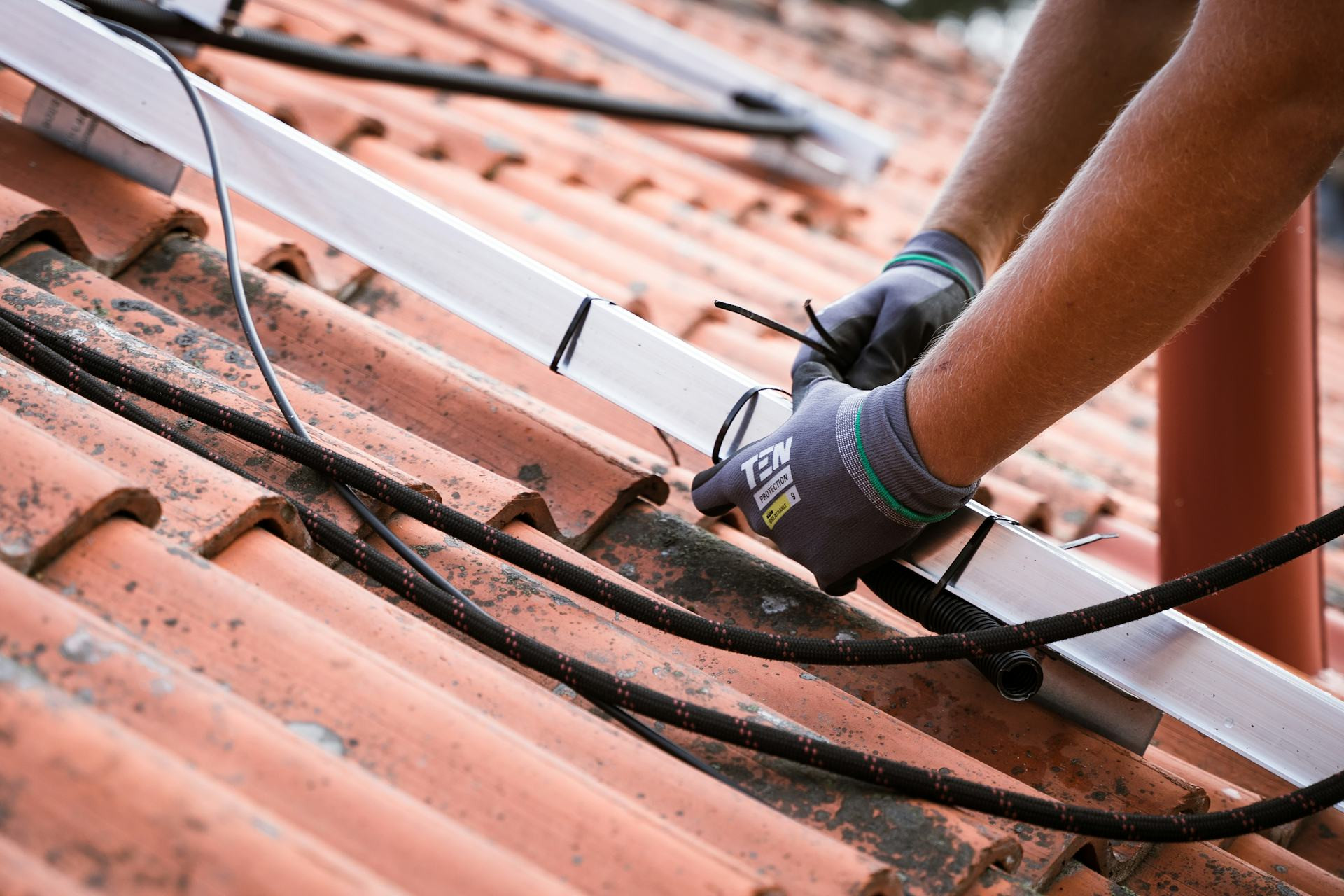
- Choose a certified installer. Proper installation is essential for both performance and warranty coverage.
- Think long-term. If your roof needs replacement soon, upgrading to a solar roof can be more cost-effective than installing a new roof and separate panels later.
A qualified solar contractor can help you evaluate your home’s potential and provide a detailed estimate tailored to your energy goals.
Maintenance and Monitoring
Solar roofs are designed to be low-maintenance. Rain and wind usually keep the surface clean, though an occasional inspection every few years is recommended to ensure everything is functioning properly.
Most systems come with digital monitoring tools that let you track your energy production in real time through an app. This makes it easy to spot issues early and see exactly how much power—and money—you’re saving.
The Future of Home Energy
Solar roofs represent more than just a technological upgrade—they’re part of a broader shift in how we think about energy. As more homeowners combine solar power with electric vehicles, smart home systems, and battery storage, the home becomes an active participant in the energy network.
This transformation means you’re not just consuming energy—you’re producing and managing it. Over time, this can help stabilize local grids and accelerate the transition to a cleaner, more resilient energy future.
An Investment in Comfort and Climate
Choosing a solar roof is about more than economics. It’s a commitment to sustainability, energy independence, and long-term home value. In an era of rising energy costs and climate uncertainty, it’s a way to take control of your home’s future.
With a solar roof, you gain a beautiful, modern, and efficient energy solution that will serve you for decades. It’s an investment that pays off—for your wallet, your home, and the planet.