Self-Care in Everyday Life: How to Make It a Natural Part of Your Routine

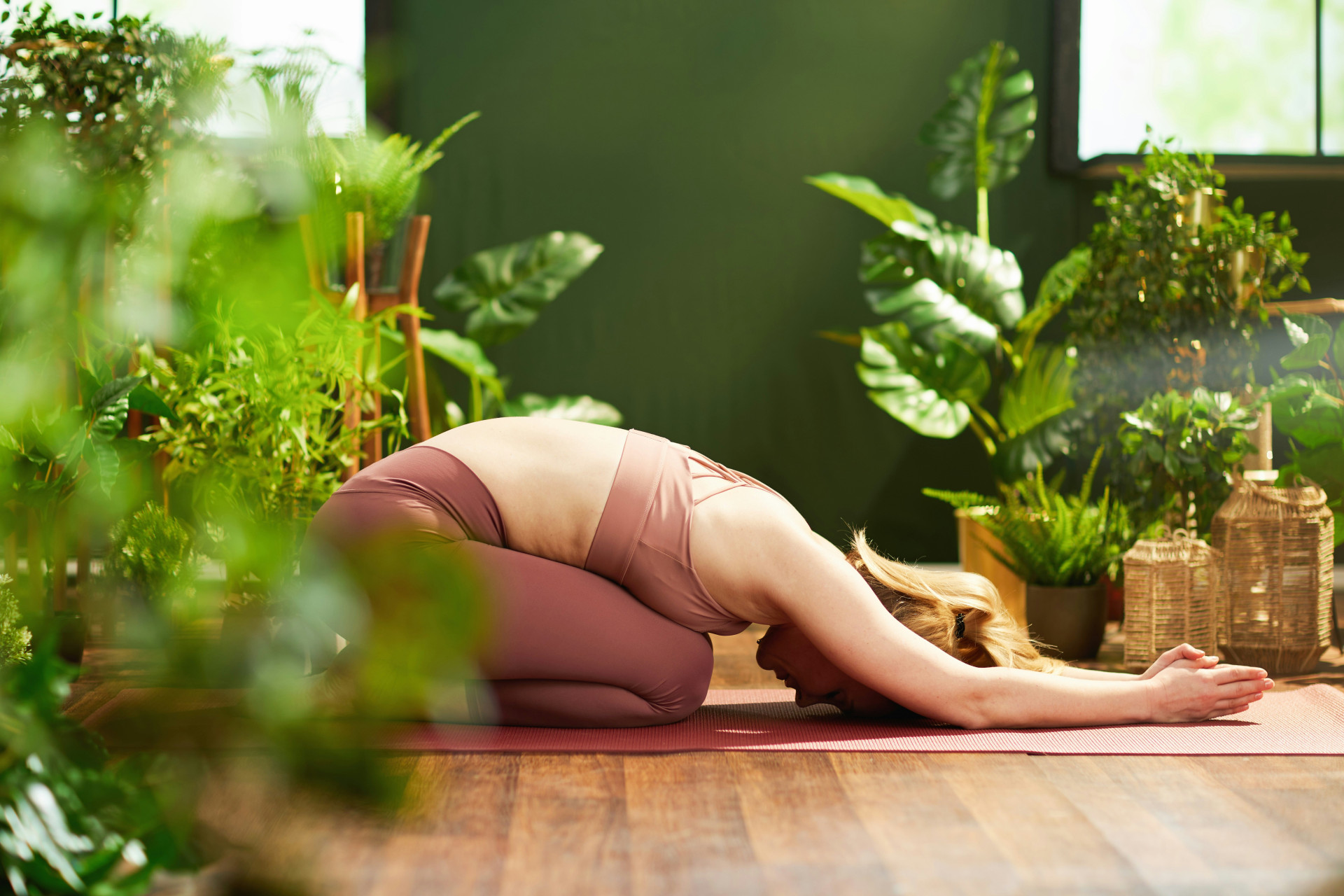
Self-Care in Everyday Life: How to Make It a Natural Part of Your Routine
Self-care has become a buzzword in recent years, but at its core, it’s not about luxury or indulgence. It’s about taking responsibility for your own well-being—physically, mentally, and emotionally. In a fast-paced culture where productivity often takes priority, it can be hard to slow down and check in with yourself. Here’s how you can make self-care a natural, sustainable part of your daily life—without it feeling like another task on your to-do list.
What Self-Care Really Means
Self-care is about finding balance between what you give to others and what you give to yourself. It’s the small, everyday choices—listening to your body, saying no when you need rest, and making time for activities that recharge you.
It’s not selfish; it’s essential. When you take care of yourself, you strengthen your resilience and your ability to show up for others. Self-care helps you build a foundation of energy and calm that supports every part of your life.
Start by Checking In with Yourself
The first step toward better self-care is awareness. Many of us move through our days on autopilot, only realizing we’re stressed or exhausted when our bodies start to protest.
Try asking yourself a few simple questions:
- When do I feel most at ease?
- What drains my energy?
- What brings me joy or makes me feel light?
Becoming aware of your own signals helps you respond before burnout sets in—and make choices that truly support your well-being.
Create Small Moments of Pause
Self-care doesn’t have to mean big changes or elaborate routines. Often, it’s the small pauses that make the biggest difference. Try:
- Taking a short walk without your phone.
- Enjoying a quiet cup of coffee before the day begins.
- Taking a few deep breaths when you feel tension rising.
- Sitting in silence for a minute or two, just being present.
These small rituals help you reset and ground yourself. Over time, they become natural anchors in your day.
Make Your Home a Place of Calm
Your environment can play a big role in how you feel. Create small “calm zones” in your home—spaces where you can unwind and recharge. It doesn’t have to be fancy; it could be a cozy chair by a window, a corner with soft lighting, or a few plants that bring life into the room.
Engage your senses: light a candle, play soothing music, or open the windows for fresh air. When your surroundings invite relaxation, it becomes easier to give yourself permission to slow down.
Learn to Say No—and Yes to What Matters
A key part of self-care is setting boundaries. That doesn’t mean saying no to everything—it means being intentional about where your time and energy go. Ask yourself whether what you’re agreeing to truly aligns with your values and brings you joy, or if it’s just out of obligation.
Saying no can feel uncomfortable at first, but it’s an investment in your well-being. When you protect your time and energy, you create space for what really matters—and for the people and activities that nourish you.
Turn Self-Care into a Habit
Self-care works best when it becomes part of your everyday rhythm, not something you only do when you’re running on empty. Think of it like brushing your teeth or eating breakfast—something you do because it keeps you healthy.
Make small, consistent commitments to yourself. Maybe it’s a weekly moment that’s just for you: a long bath, reading a book, doing yoga, or simply sitting quietly. The more you repeat these moments, the more natural they become.
Self-Care Is a Process, Not a Goal
There’s no perfect way to practice self-care. It’s about finding what works for you and adjusting as you go. Some days you might need movement; other days, rest. The key is to listen to yourself and honor what you need in the moment.
When self-care becomes a natural part of your life, everyday challenges feel lighter, and you move through the world with more balance, strength, and presence—for yourself and for those around you.