Maintain the Tool: Establish a Consistent Routine for Regular Review

Maintain the Tool: Establish a Consistent Routine for Regular Review
A good tool can last for years — but only if it’s properly maintained. Whether you use your tools every day on the job or just for weekend projects around the house, regular maintenance is key to safety, efficiency, and longevity. Setting up a consistent routine for reviewing your tools can save you frustration, time, and unnecessary expenses.
Why Maintenance Matters
Every time you use a tool, it experiences wear and tear. Screwdrivers lose their grip, drill bits dull, and handles can loosen. Ignoring these small signs of wear can lead to bigger problems — damaged materials, poor results, or even accidents.
By inspecting your tools regularly, you can catch issues early. That means you can repair or replace parts before they become dangerous or unusable. Well-maintained tools also perform better, allowing you to work more precisely and with less effort.
Build a Consistent Routine
The most important part of maintenance is consistency. Create a schedule that fits how often you use your tools:
- After each project: Wipe down your tools to remove dust, oil, and debris. Store them properly to prevent damage.
- Monthly: Check your most frequently used tools. Tighten screws, inspect handles, and lubricate moving parts as needed.
- Twice a year: Do a full review of your collection. Clean, organize, and decide if anything needs to be repaired or replaced.
A regular routine helps you keep track of what you have and ensures everything is ready when you need it.
Cleaning and Storage
Cleaning is the first step in any maintenance routine. Use a dry cloth to remove dust and dirt, and a slightly damp cloth for tougher grime. Avoid using water on power tools — compressed air or a soft brush is a safer choice.
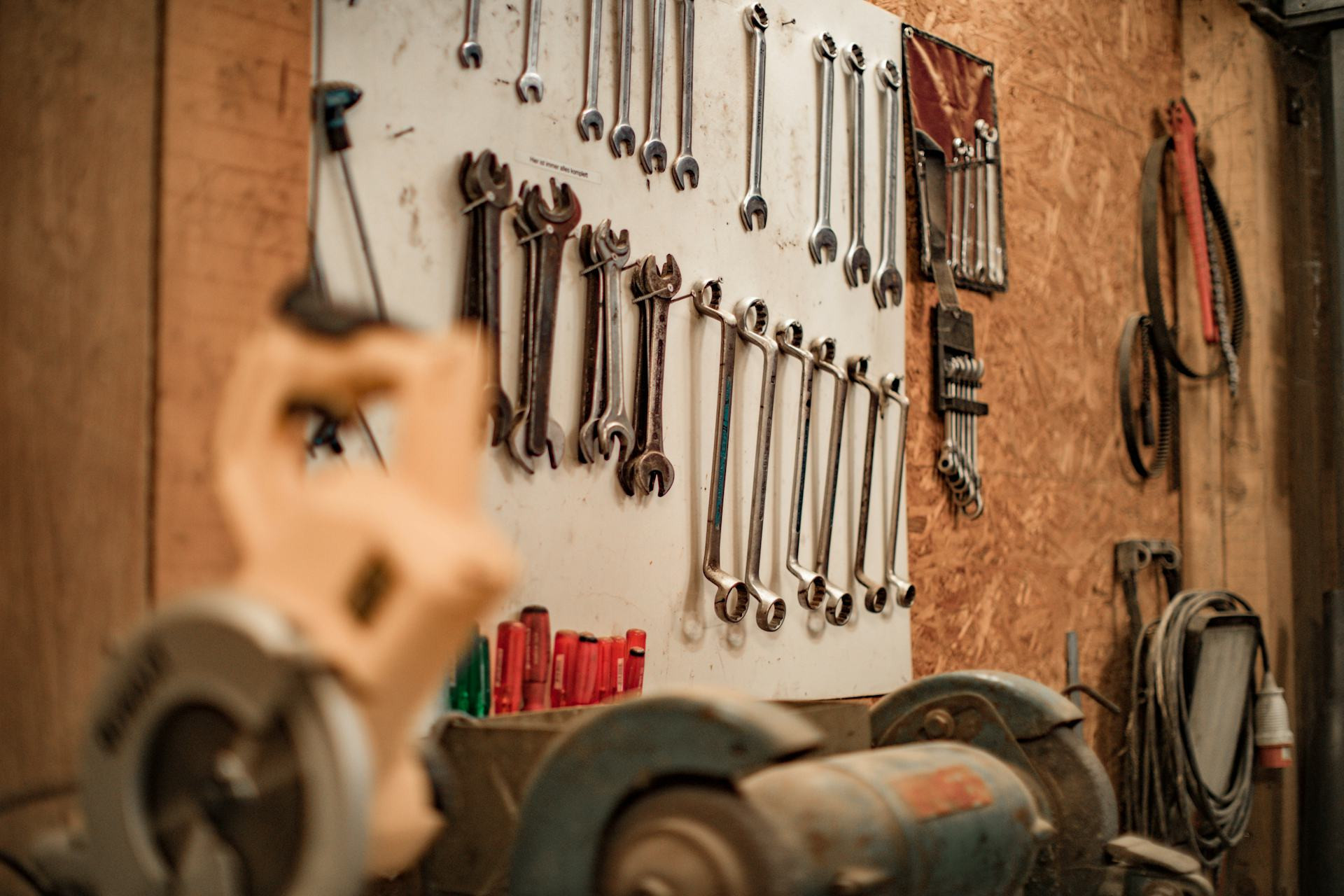
Once clean, store your tools in a dry, organized space. Moisture is the biggest enemy, especially for metal tools that can rust. A toolbox, cabinet, or pegboard system works well. Consider adding silica gel packs or other moisture absorbers to keep humidity under control.
A well-organized setup — with labeled drawers or hooks — makes it easier to find what you need and reduces the risk of damage or loss.
Sharp Edges and Secure Grips
Sharp tools are safe tools. Dull blades, bits, and saws require more force and increase the risk of slipping. Sharpen or replace cutting edges as soon as they start to lose their bite.
Also, check handles and grips. Cracks, loose parts, or slick surfaces can lead to accidents. Replacing a handle or adding grip tape can make a big difference in comfort and safety.
Power Tools Need Extra Care
Power tools require special attention. Inspect cords for fraying, and make sure plugs and switches work properly. Clean vents to prevent overheating, and lubricate moving parts according to the manufacturer’s instructions.
If you notice sparks, unusual noises, or strange smells, stop using the tool immediately. These are signs of a problem that may need professional repair.
Make Maintenance a Habit
It might seem like a small task, but a consistent maintenance routine makes a big difference over time. Set aside time in your calendar and make it part of your project process. You’ll quickly notice that your work becomes easier, your results improve, and your tools last longer.
Maintenance isn’t just about taking care of your equipment — it’s about taking care of yourself and your craft. A well-maintained workshop is a safer, more efficient, and more enjoyable place to work.