How to Maintain the Brickwork Around Windows and Doors

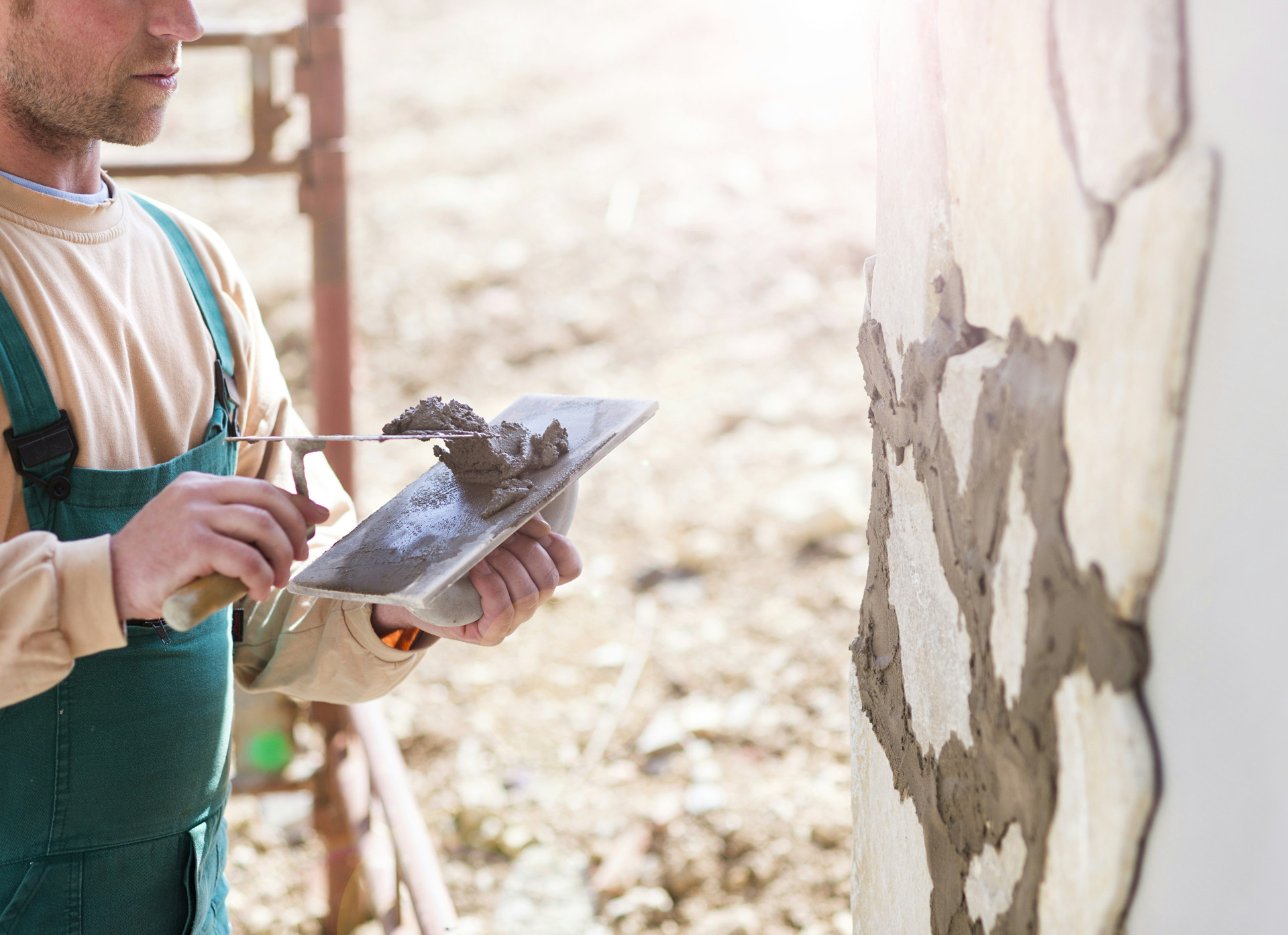
How to Maintain the Brickwork Around Windows and Doors
The brickwork around windows and doors is among the most exposed parts of a home’s exterior. These areas bring together different materials—brick, mortar, wood, or metal—and the joints between them are especially vulnerable to moisture, temperature changes, and structural movement. With regular maintenance, you can prevent damage that might otherwise lead to leaks, drafts, or costly repairs. Here’s a practical guide to keeping your brickwork in good condition.
Start with a Thorough Inspection
The first step in maintenance is to look for signs of wear. Walk around your home a couple of times a year—ideally in spring and fall—and check for:
- Cracks in the mortar or bricks
- Flaking, spalling, or discoloration
- Mortar that’s crumbling or missing
- Signs of moisture, mold, or dark stains around window sills
- Gaps between the brickwork and window or door frames
Even small cracks can allow water to seep in, which can freeze and expand during cold weather, causing further damage. The sooner you spot issues, the easier and cheaper they are to fix.
Clean the Brickwork Gently
Before making any repairs, the brickwork should be clean. Use a soft brush and plain water to remove dirt, dust, and algae. Avoid using a pressure washer—it can erode mortar joints and force water into the wall.
If you notice algae or mildew growth, apply a mild masonry cleaner or a solution specifically designed for brick surfaces. Always rinse thoroughly and let the wall dry completely before continuing with repairs.
Repair Mortar Joints and Cracks
Mortar joints are the weak points in brickwork. When the mortar becomes porous or falls out, the wall loses its weather resistance.
- Remove loose mortar: Use a joint raker or chisel to carefully remove deteriorated mortar to a depth of about ½ to ¾ inch.
- Clean the joints: Brush out dust and debris.
- Repoint: Fill the joints with new mortar that matches the original in color and composition. For older homes, a lime-based mortar may be appropriate; for newer ones, a cement-based mix is often used.
- Finish and protect: Smooth the joints with a pointing tool and protect the area from rain while the mortar cures.
If you find cracked or damaged bricks, they can be replaced individually. This takes some skill, but it can be done without disturbing the surrounding wall.
Check the Seal Between Brick and Frame
The joint between the brickwork and the window or door frame is a critical area. Small gaps here can let in water and air.
Inspect the caulking or sealant around the frames. If it’s cracked, peeling, or pulling away, remove it and apply a new, high-quality exterior-grade sealant that remains flexible with temperature changes.
Also, make sure that drip edges and flashing above and below windows are intact. These components direct rainwater away from the wall and prevent moisture from seeping into the brickwork.
Prevent Moisture and Freeze Damage
Moisture is brickwork’s biggest enemy. Ensure that rainwater drains away from your home—keep gutters and downspouts clear and make sure the ground slopes away from the foundation. If water runs down the wall, it can gradually penetrate the mortar joints.
Trim back shrubs and vines that grow close to the wall. Vegetation can trap moisture and prevent the brick from drying properly.
In cold climates, trapped moisture can freeze and expand, causing bricks to crack or spall. Keeping the mortar joints sound and the wall dry is the best protection against frost damage.
Call a Professional for Major Issues
If you notice large cracks, persistent dampness, or signs of structural movement, it’s best to consult a mason or building professional. Expert advice can help you identify the root cause of the problem and ensure that repairs are done correctly and safely.
A Small Effort with a Big Payoff
Maintaining the brickwork around your windows and doors doesn’t require major expense—just regular attention. A yearly inspection, gentle cleaning, and timely repointing can greatly extend the life of your brickwork and preserve your home’s appearance.
It’s all about prevention rather than repair—giving your home the care it needs to stay strong, dry, and beautiful for years to come.