Energy Labeling Explained: Turning Complex Data into Clear Communication

Energy Labeling Explained: Turning Complex Data into Clear Communication
When you’re shopping for a new refrigerator, washing machine, or air conditioner, the energy label is often one of the first things you notice. Those colored bars and efficiency ratings tell you how much energy a product uses — but behind that simple label lies a complex system of testing, data analysis, and regulation. Energy labeling is a prime example of how technical information can be transformed into clear, accessible communication that helps consumers make smarter, more sustainable choices.
From the Lab to the Label
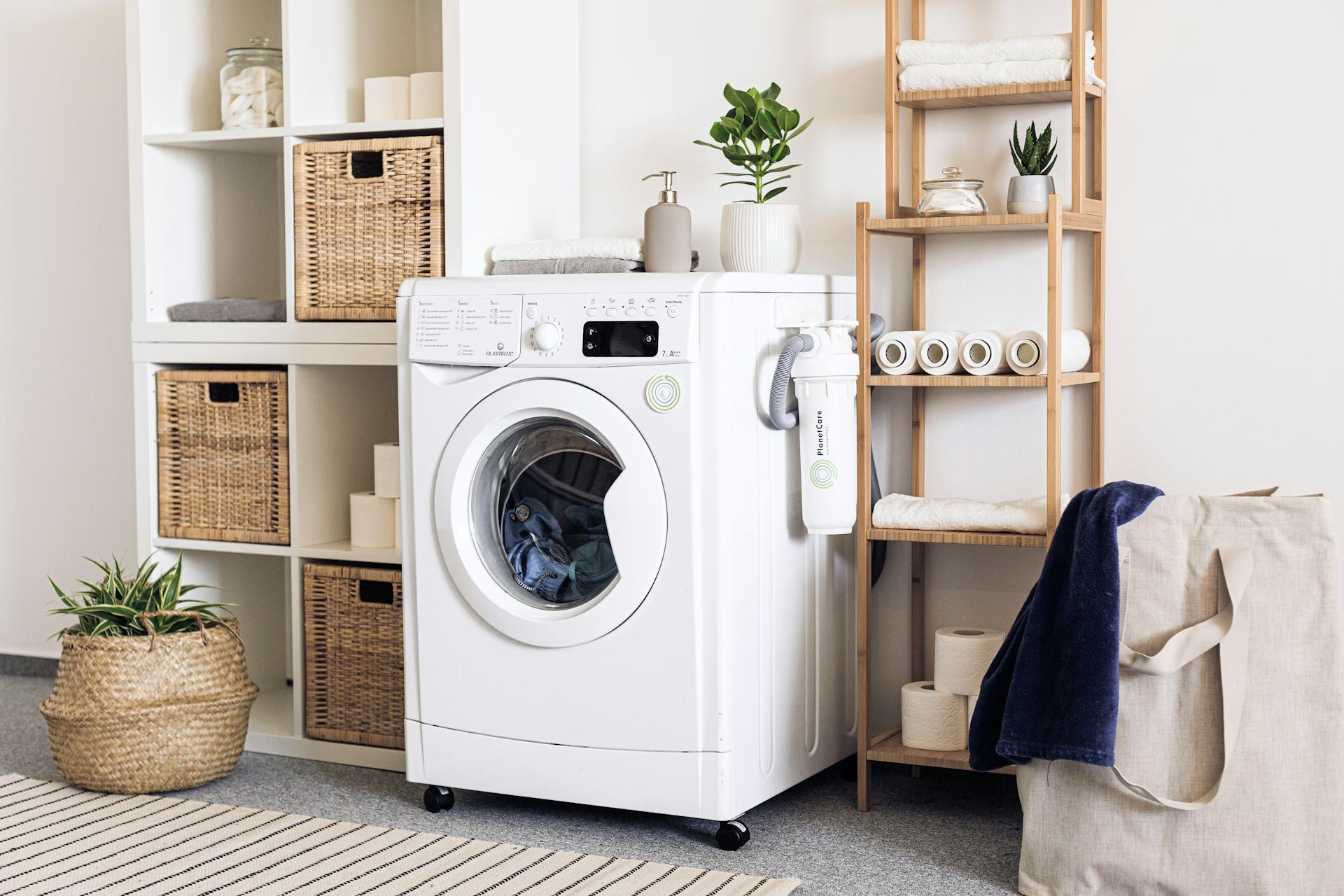
Energy labels are based on standardized testing procedures that measure how much energy a product consumes under typical conditions. For example, a washing machine might be tested with specific load sizes, water temperatures, and cycles to ensure that results are comparable across brands and models.
The data from these tests are then converted into a single efficiency rating. In the United States, this is often shown through the EnergyGuide label, which estimates annual energy use and operating costs, and through the ENERGY STAR® certification, which identifies products that meet or exceed federal efficiency standards. This means you don’t need to understand the technical details — the label gives you a quick, reliable overview.
A System That Evolves with Technology
Energy labeling in the U.S. has been around since the 1970s, and the system continues to evolve as technology improves. The Department of Energy (DOE) and the Federal Trade Commission (FTC) regularly update testing methods and efficiency standards to reflect advances in design and performance.
As appliances become more efficient, the benchmarks for earning an ENERGY STAR label are raised. This ensures that the label remains meaningful and continues to encourage manufacturers to innovate. It’s a dynamic process that keeps pace with both technological progress and environmental goals.
More Than Just Energy Use
While energy consumption is the main focus, today’s labels often include other useful information that helps consumers make well-rounded decisions. Depending on the product, you might find details such as:
- Estimated annual operating cost – based on national average energy prices.
- Water usage – especially relevant for dishwashers and washing machines.
- Noise level – measured in decibels, for those who value a quieter home.
- Capacity – such as cubic feet for refrigerators or load size for washers.
By combining these data points into one label, consumers get a fuller picture of a product’s performance, cost, and environmental impact.
Digital Tools and Transparency
Energy labeling is also becoming more digital. Many manufacturers now provide online access to detailed product data, and the ENERGY STAR website allows you to compare models, calculate potential savings, and even find rebates in your area. This transparency helps consumers verify claims and make informed choices.
For manufacturers, these requirements mean that all performance data must be accurate, documented, and verifiable. That accountability builds trust and ensures that the information on the label truly reflects real-world performance.
Communication That Drives Change
Energy labels are a masterclass in effective communication. Instead of overwhelming consumers with technical jargon, they translate complex data into a simple visual and numerical format. A bright yellow EnergyGuide label or a blue ENERGY STAR logo instantly signals efficiency and reliability — a small design choice with a big impact.
This clarity has changed consumer behavior. Studies show that energy labels influence purchasing decisions and have pushed manufacturers to design more efficient products. The result is a win-win: lower utility bills for households and reduced energy demand nationwide.
A Tool for a Sustainable Future
For individual consumers, energy labels are a practical guide to saving money and reducing environmental impact. But on a larger scale, they’re also a key part of U.S. energy policy. When millions of households choose efficient appliances, the collective savings in energy and emissions are substantial.
Energy labeling is more than just a sticker on a product — it’s a bridge between data, design, and everyday decision-making. By turning complex technical information into clear communication, energy labels empower all of us to make choices that are good for our wallets and for the planet.