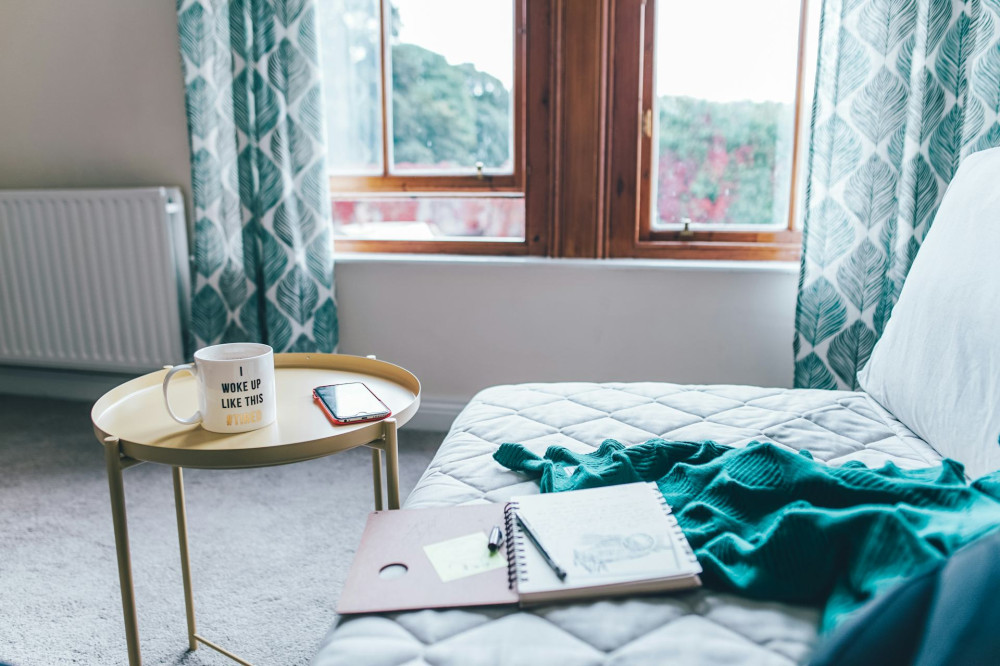
Create Calm with Textures – Depth Without Distraction


Create Calm with Textures – Depth Without Distraction
A peaceful home isn’t just about color palettes or furniture choices – it’s also about how things feel. The textures that surround us shape the atmosphere of a space and influence how we experience it. The right mix of materials can add depth and warmth without making a room feel cluttered or heavy. In this article, we’ll explore how to use texture intentionally to create balance and calm in your home.
Why Texture Matters
When we walk into a room, we don’t just see color and shape – we sense surfaces. Smooth, rough, soft, or matte textures all affect how we emotionally respond to a space. Too many hard, glossy surfaces can make a room feel cold and impersonal, while too many soft materials can make it feel heavy or unstructured.
The key is balance. Contrasts – like smooth and coarse, cool and warm – create harmony. It’s not about filling your home with a dozen different materials, but about choosing a few that complement each other.
Start with the Foundation
Begin with the largest surfaces: walls, floors, and ceilings. These set the tone for everything else. A matte wall finish or a lightly textured paint can soften light and create a calm backdrop. Wood floors with visible grain bring warmth and a natural feel, while area rugs can improve acoustics and make a space more inviting.
If you prefer a minimalist look, keep your color palette neutral and let texture provide the variation. A limewashed wall, a wool rug, and a linen sofa can together create a space that feels alive yet serene.
Layer Thoughtfully
Working with texture is about layering – through pillows, throws, curtains, and furniture. But to maintain calm, think in terms of cohesion. Choose materials that harmonize in tone and structure rather than compete for attention.
A good rule of thumb is to combine three to four different textures in a room. For example:
- Wood – adds warmth and a natural touch.
- Textiles – like wool, cotton, or linen, bring softness.
- Metal or glass – introduce contrast and lightness.
- Ceramic or stone – provide grounding and substance.
Repeating the same materials in different parts of the room creates a sense of flow and unity.
Light and Texture Work Together
Light reveals texture and changes its character throughout the day. A woven fabric or matte surface gains depth when light hits it at an angle. That’s why lighting should be part of your texture plan.
Use multiple light sources – both direct and indirect – to create variation. A lamp with a fabric shade gives a soft, diffused glow, while a spotlight can highlight a textured wall or piece of art. This interplay of light and surface brings a room to life without disturbing its calm.
Bring in Nature’s Materials
Natural materials have a unique ability to create balance. Wood, stone, clay, and natural fibers add a tactile quality that feels grounding and restorative. They age beautifully and remind us of the rhythms of nature – a welcome counterpoint to busy modern life.
Small touches can make a big difference: an unglazed ceramic vase, a woven basket, or a solid wood tabletop. The goal isn’t to fill your home with natural materials, but to let them stand out in their honest, organic form.
Balance Calm and Character
A calm space doesn’t have to be bland. Personality comes from contrast – a rough wall behind a sleek sofa, a soft throw on a leather chair, or a matte vase on a polished surface. These subtle differences add life, and when they’re aligned in color and tone, harmony remains intact.
If you’re unsure, look to nature for inspiration: stone against sand, bark beside leaves, water over rock. There’s variety and stillness at once – the same balance you can bring into your home.
A Home That Feels Peaceful and Alive
Creating calm with texture isn’t about making everything uniform; it’s about letting materials speak to each other. When chosen with care, textures can make a space feel both sensory and balanced – a place where the eye and body can rest.
Depth without distraction isn’t about adding more, but about choosing wisely. When textures work together, your home becomes a space that feels natural, warm, and quietly alive – every day.