Combine Mechanical and Chemical Cleaning for an Effective Result

Combine Mechanical and Chemical Cleaning for an Effective Result
When it comes to cleaning brickwork, concrete, or exterior surfaces, many homeowners and contractors face the choice between mechanical and chemical cleaning. Each method has its strengths—but it’s often the combination of the two that delivers the most effective and long-lasting results. By understanding how each works and how they complement one another, you can achieve a thorough clean without damaging the surface.
What Is Mechanical Cleaning?
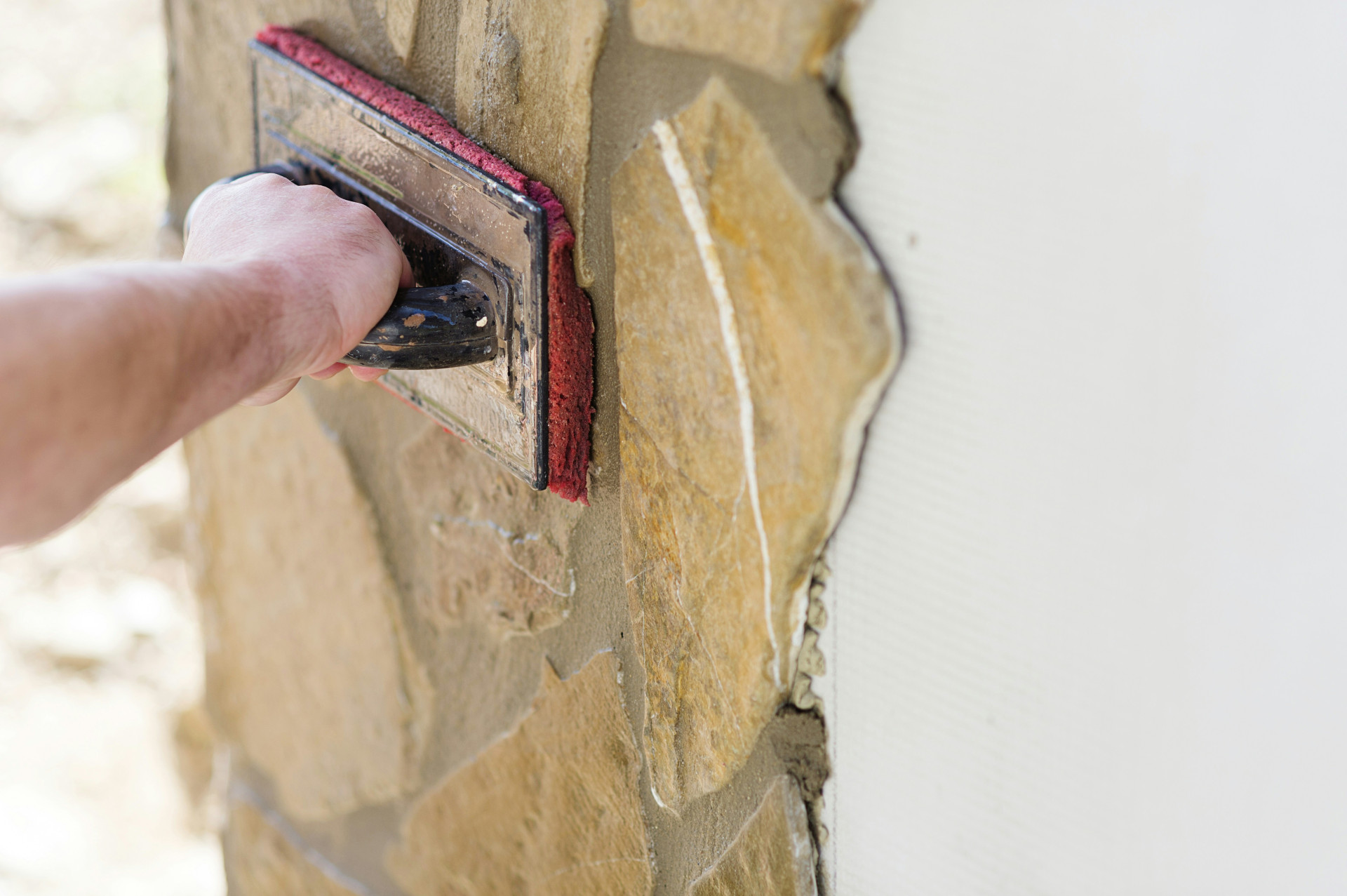
Mechanical cleaning refers to physical methods used to remove dirt, paint, algae, or other buildup. This can include pressure washing, sandblasting, brushing, or scraping. It’s particularly effective for removing stubborn surface grime or coatings, but it requires care and precision.
Too much pressure or the wrong technique can damage the surface—especially on older masonry, natural stone, or porous materials. The key is to find the right balance between pressure, distance, and tool type.
Advantages of mechanical cleaning:
- Quickly removes visible dirt and buildup
- Requires no chemicals
- Provides immediate visual improvement
Disadvantages:
- Can wear down or scratch the surface
- May not remove deep stains or biological growth
What Is Chemical Cleaning?
Chemical cleaning uses cleaning agents, acids, or alkaline solutions to dissolve dirt, mineral deposits, algae, or grease. These products are often formulated for specific materials or purposes, such as masonry cleaning, concrete restoration, or graffiti removal. The chemical process loosens contaminants so they can be rinsed away—often with a mild mechanical method afterward.
It’s important to choose a product that matches the material. A solution that’s too strong can etch or discolor the surface, while one that’s too mild may not be effective. Always follow the manufacturer’s instructions and test on a small, inconspicuous area first.
Advantages of chemical cleaning:
- Effective against stains, discoloration, and biological growth
- Penetrates pores to remove hidden dirt
- Gentle when used correctly
Disadvantages:
- Requires careful handling and correct dilution
- Can harm the environment if not used responsibly
Why Combine the Two Methods?
When mechanical and chemical cleaning are used together, you get the best of both worlds. The chemical cleaner loosens dirt and organic growth, while the mechanical action removes the residue and evens out the surface. The result is a cleaner, more uniform finish that lasts longer.
A typical process might look like this:
- Pre-treatment with a chemical cleaner – applied to dissolve dirt, stains, or algae.
- Dwell time – allowing the product to work for the recommended period.
- Mechanical follow-up – using a brush or low-pressure rinse to remove loosened material.
- Rinsing and neutralizing – ensuring no chemical residue remains.
This combination reduces the need for aggressive mechanical cleaning and minimizes the risk of surface damage.
Safety and Environmental Considerations
When working with chemical products, safety should always come first. Wear gloves, goggles, and, if necessary, a respirator. Make sure the area is well-ventilated, and prevent runoff from entering storm drains or soil. Collect and dispose of wastewater properly according to local regulations.
Choose environmentally friendly or biodegradable products whenever possible, and use only the amount needed. Often, a mild solution and a bit more dwell time can achieve the same result as a stronger mix.
When to Call a Professional
While small cleaning projects can often be handled by homeowners, larger or more delicate surfaces may require professional expertise. A qualified contractor can assess the material, select the right combination of methods and products, and ensure the job is done safely and effectively.
Professional help is especially recommended for:
- Historic or older buildings
- Surfaces with special coatings or finishes
- Heavy staining, graffiti, or biological growth
A Cleaner, Longer-Lasting Finish
By combining mechanical and chemical cleaning, you achieve a more complete and balanced result—removing both surface grime and deep-seated discoloration. This approach protects the material, enhances its appearance, and extends its lifespan. With a bit of planning and care, you’ll enjoy a clean, healthy, and attractive surface that stands the test of time.