Avoid Thermal Bridges Around Windows and Doors

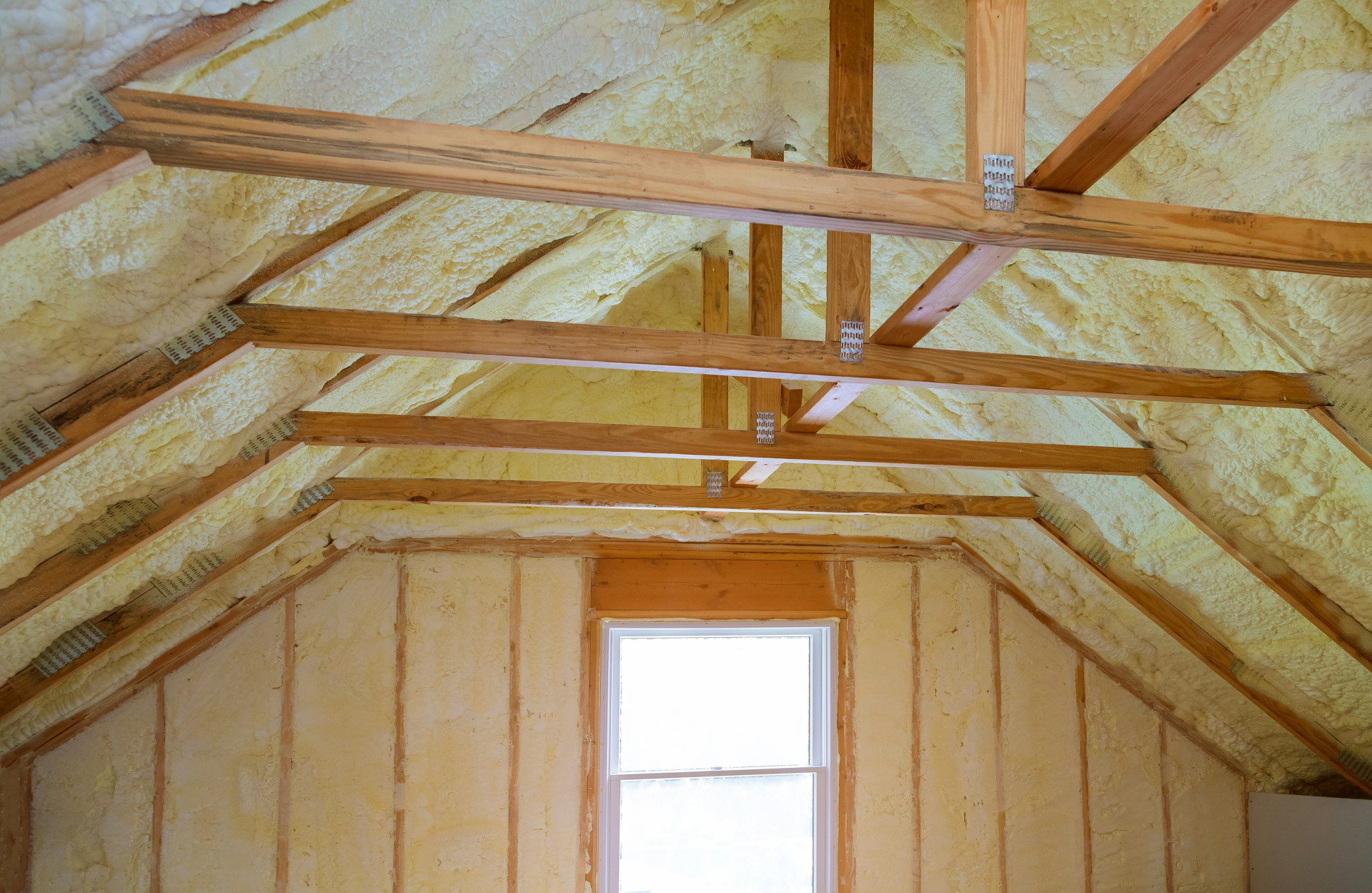
Avoid Thermal Bridges Around Windows and Doors
Thermal bridges are one of the most common yet overlooked sources of heat loss in American homes. They occur where heat can easily escape through parts of the building envelope—most often around windows, doors, and joints between walls and frames. The result is not only higher energy bills but also drafts, condensation, and even mold growth. Fortunately, with the right knowledge and a few practical steps, you can significantly reduce the problem.
What Is a Thermal Bridge?
A thermal bridge is an area in a building where heat flows more quickly through one material than through the surrounding materials. This often happens where different building components meet—for example, between a wall and a window frame, or where insulation is interrupted.
When warm indoor air meets a cold surface, condensation can form. Over time, this moisture can lead to damage and mold, especially in corners and around window frames. Preventing thermal bridges is therefore not just about comfort—it’s also about protecting your home’s structure.
Common Places Where Thermal Bridges Occur
While thermal bridges can appear in many parts of a home, some areas are especially vulnerable:
- Around windows and doors – particularly if they are older or poorly installed.
- At wall-to-ceiling joints – insulation may be incomplete or compressed.
- At the foundation or slab edge – heat can escape through uninsulated concrete.
- Around patio or sliding glass doors – large glass surfaces and metal frames conduct heat efficiently.
Knowing where to look makes it easier to identify and fix these problem areas.
How to Detect Thermal Bridges
You can often feel a thermal bridge as a draft or a cold surface, but there are more precise ways to find them:
- Infrared thermography – a thermal camera reveals temperature differences on surfaces, showing where heat is escaping.
- Smoke or incense test – moving smoke near window and door frames can show where air leaks occur.
- Moisture and temperature sensors – can help identify areas at risk of condensation.
If you’re unsure, a home energy auditor can perform a professional inspection and recommend solutions.
Preventing Thermal Bridges Around Windows and Doors
Avoiding thermal bridges requires both proper installation and effective insulation.
- Inspect weatherstripping – worn or brittle seals should be replaced. This is an inexpensive and effective way to stop drafts.
- Insulate around frames – use appropriate insulation materials and ensure there are no gaps or voids. Expanding foam or backer rod with sealant can help.
- Choose energy-efficient windows – modern double- or triple-pane windows with low-emissivity (Low-E) coatings and warm-edge spacers greatly reduce heat loss.
- Avoid metal-to-metal contact – if frames contain metal, make sure there’s a thermal break to prevent heat from conducting directly through.
- Check caulking and joints – cracked or missing caulk allows air leakage. Use flexible, weather-resistant sealant that can expand and contract with temperature changes.
When installing new windows or doors, correct installation is crucial. Even small gaps between the frame and wall can create significant thermal bridges.
Think Holistically During Renovations
If you’re planning a renovation, it’s worth considering insulation and air sealing as part of the overall project. Combining new windows with improved wall insulation and a properly installed vapor barrier can dramatically increase energy efficiency.
Also, make sure your home’s ventilation system is working properly. As you tighten the building envelope, adequate ventilation is essential to prevent moisture buildup and maintain healthy indoor air quality.
A Smart Investment
Addressing thermal bridges is an investment that pays off in both comfort and savings. You’ll enjoy a more consistent indoor temperature, fewer drafts, and lower heating and cooling costs—all while protecting your home from moisture and mold.
Even small improvements, such as replacing weatherstripping or resealing joints, can make a noticeable difference. And when combined with energy-efficient windows and doors, the result is a home that’s more comfortable, durable, and energy-smart.